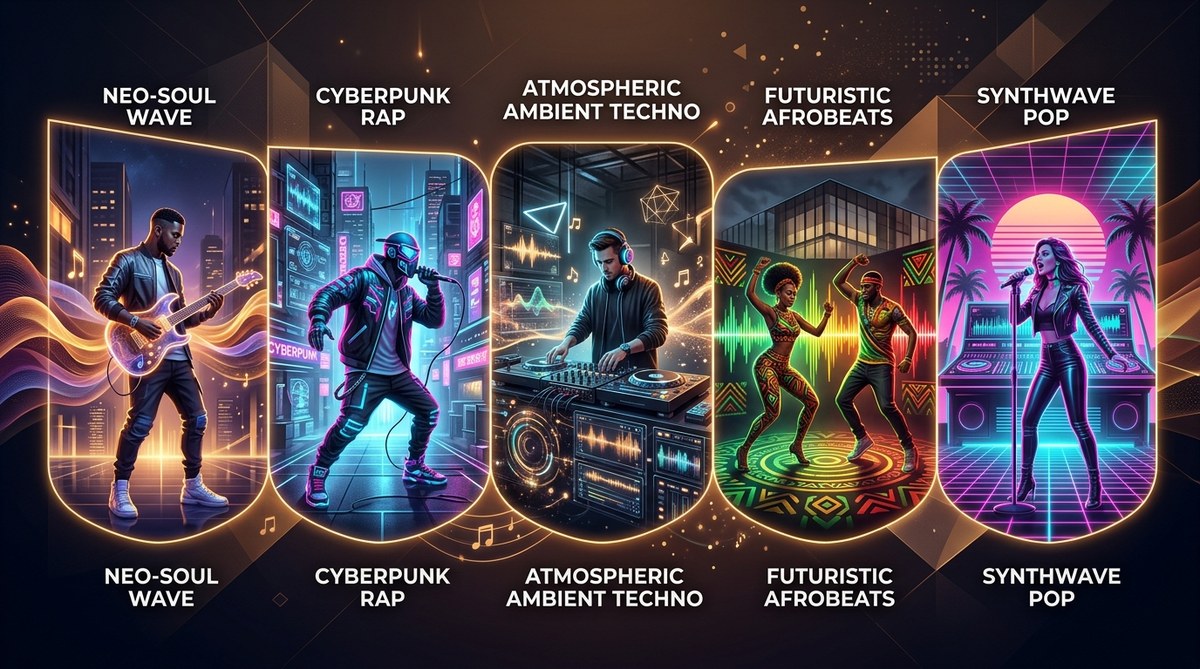
The music scene in 2026 feels different. Not in a chaotic way, but in a focused way. Listeners are getting more specific about what they want. They are not just looking for “something new.” They are looking for sounds that feel personal, intentional, and rooted in real musical ideas. This shift has pushed certain subgenres to the front of the conversation. These are not background trends. They are movements with dedicated audiences, distinct production methods, and a clear identity. Whether you produce music, write about it, or just follow where the culture is heading, these five subgenres deserve your attention.
This article breaks down the five music subgenres defining the 2026 scene. You will learn about digital jazz, afro house, slush rock, nu-hyper pop, and drift phonk. Each section covers the core sound, key artists driving the movement, and production techniques that define the style. The goal is to help music enthusiasts and industry professionals understand these emerging trends and apply them to their own creative work or career strategy.
Digital Jazz Is Redefining Genre Boundaries
Jazz has always evolved. In 2026, it has taken a turn toward the digital without losing its soul. Digital jazz blends live acoustic instrumentation with glitchy electronics, processed vocals, and hip-hop drum programming. Think of a saxophone solo running through granular synthesis while a beat from a modern trap producer sits underneath. That friction between organic and synthetic is the whole point.
Artists like DOMi & JD BECK, Kiefer, and newer acts such as Lulu Lewis have pushed this sound into mainstream visibility. Streaming numbers for digital jazz playlists on platforms like Spotify grew by over 40 percent between 2024 and 2026. The audience is young, curious, and unafraid of complexity.
For producers, the key is restraint. You do not need to over-process every instrument. Let the acoustic elements breathe. Then add one or two digital elements that challenge the listener’s expectations. If you want to understand how this subgenre connects to earlier forms, take a look at our piece on exploring the evolution of jazz genres in modern music. It shows how the DNA of jazz keeps adapting.
How to Start Producing Digital Jazz
If you are a producer looking to try digital jazz, follow this numbered process.
- Record a live instrument (saxophone, piano, or guitar) with clean audio.
- Chop the recording into small sections using a sampler.
- Apply one heavy effect per section. Try bit-crushing, reverse reverb, or spectral delay.
- Layer a trap or lo-fi drum pattern underneath, keeping the kick and snare punchy.
- Add a low bassline using a synth or an electric bass with saturation.
- Mix the track so the acoustic and digital elements sit at equal volume.
This approach keeps the human feel intact while adding the signature digital texture of the genre.
Afro House Is the Global Rhythm Engine
Afro house has moved from club undergrounds to festival main stages. The subgenre combines the percussion and vocal patterns of Afrobeat with the steady four-on-the-floor structure of house music. The result is music that feels both ancestral and futuristic.
In 2026, artists like DJ Lag, Uncle Waffles, and new names such as Amara Skye have brought afro house to international audiences. The genre is especially strong in the United States, where clubs in New York, Los Angeles, and Chicago now program dedicated afro house nights. The tempo sits comfortably between 118 and 124 BPM, making it perfect for both dancing and headphone listening.
A common mistake producers make is treating afro house like regular house with African samples layered on top. That approach sounds shallow. The rhythm section needs to carry the culture. The shaker, the kick pattern, and the call-and-response vocals are not decorations. They are the foundation.
For a deeper look at how afrobeat flows into modern production styles, check out our article on the explore the influence of afrobeat on contemporary music styles. It connects the dots between traditional rhythms and the club tracks of today.
Production Tips for Afro House
Here is a bulleted list of essential elements to get right.
- Use polyrhythms in the percussion. Layer a shaker pattern against a conga loop for authentic movement.
- Keep the kick deep and warm. Avoid hard, clicky kicks that work in techno.
- Add vocal chops from African languages or phrases. Even short samples add character.
- Let the bassline follow the vocal melody. Afro house is vocal-driven, and the bass should support, not fight.
- Apply reverb to the claps and snares but keep the kick dry.
Slush Rock Brings Slow Intensity Back
Rock music has been looking for a new direction for years. In 2026, slush rock is that direction. The name comes from the slow, thick, almost syrupy guitar tones that define the genre. Slush rock blends shoegaze textures, slowcore pacing, and heavy, down-tuned riffs. Bands like Duster, Horsegirl, and newer acts such as Radio Tunnels have popularized this sound.
The tempo is usually between 60 and 80 BPM. The guitars are drenched in chorus and delay. The vocals sit low in the mix, often treated like another instrument. The mood is introspective but not sad. It feels like standing in a cold rain and not minding it.
One reason slush rock works in 2026 is that listeners crave space in their music. The fast, dense production style of the early 2020s is giving way to arrangements that let each instrument breathe. Slush rock gives the listener room to think.
If you want to understand how modern technology is shaping these slow, textural styles, read our article on how modern technology is transforming music styles and production. It covers the tools that make thick, ambient guitar tones possible at home.
Common Mistakes in Slush Rock Production
The table below shows what often goes wrong and how to fix it.
| Mistake | How to Fix It |
|---|---|
| Guitars sound muddy | Cut low frequencies below 80 Hz on the guitar track. Let the bass handle the low end. |
| Vocals get buried | Use sidechain compression on the guitar bus triggered by the vocal track. |
| Drums feel too fast | Program drums with swing between 55 and 65 percent. Hand-played hi-hats work better than grids. |
| Mix lacks movement | Automate reverb and delay sends across the track. Let the effects change with the arrangement. |
Nu-Hyper Pop Grows Up Without Losing Its Edge
Hyper pop shocked the music world in the early 2020s. By 2026, it has matured into something called nu-hyper pop. The core elements are still there: pitched vocals, bright synths, and maximalist production. But now the genre also includes live drums, acoustic guitar, and song structures that follow traditional pop logic.
Artists like underscores, Jane Remover, and the duo Frost Children have led this shift. Their tracks still hit hard, but they also have moments of quiet. The dynamics are wider. A nu-hyper pop song might start with a simple piano verse and explode into a wall of processed sound for the chorus. That contrast is what sets it apart from the earlier, more chaotic versions of the genre.
Producers should pay attention to vocal processing. The signature sound uses formant shifting, heavy autotune, and layered harmonies. But the vocals should still feel human. The trick is to process the voice without removing the emotion.
If you are interested in how lo-fi and hyper pop influences mix in modern production, check out our guide on discover the rise of lo-fi music and its impact on modern production. It explains how bedroom producers are shaping the sound of 2026.
Gear That Works for Nu-Hyper Pop
Getting the right gear makes a difference. Here are tools that help capture the nu-hyper pop sound.
- A MIDI keyboard with pad controllers for triggering samples and synth stabs.
- A warm compressor like the Warm Audio WA-76 for gluing dense mixes.
- A high-quality microphone for capturing clean vocal takes before processing.
- A digital audio workstation with strong pitch correction tools (Logic Pro or Ableton Live work well).
For a full list of tools worth owning this year, read our article on top music gear trends every producer should know in 2026.
Drift Phonk Keeps Pushing Into New Territory
Drift phonk started as a niche internet subgenre. In 2026, it is a global force. The sound is dark, hypnotic, and built around distorted cowbell rhythms, heavy 808s, and chopped vocal samples that sound like they are being pulled through a broken radio. It draws from Memphis rap, horror film scores, and modern trap production.
Artists like Kordhell, Pharmacist, and newer names such as DJ Shogun have turned drift phonk into a stadium-ready sound. The genre is especially popular on TikTok and in gaming communities. But it has also found a home in clubs and festivals. The energy is aggressive but controlled.
“Drift phonk is not about complexity. It is about mood. The best tracks in this genre use three or four elements and repeat them with small variations. The listener should feel trapped in a good way. That tension is what keeps people coming back.” — Marcus Hale, producer and genre analyst
One trap that many new producers fall into is adding too many layers. Drift phonk needs space. The cowbell needs room to cut through. The 808 needs to hit without competition. If the mix feels crowded, remove elements instead of adding more.
For producers who want to strengthen their drum programming for this style, our guide on mastering drum programming for contemporary music production walks through the exact patterns that make drift phonk work.
How to Build a Drift Phonk Track
This numbered list shows a practical workflow.
- Start with the cowbell pattern. Program a steady eighth-note rhythm with slight velocity variation.
- Add a heavy 808 bass that follows the root notes of your melody.
- Layer a distorted kick on top of the 808. Make sure they hit at the same time.
- Add a vocal sample pitched down by 5 to 12 semitones.
- Apply a low-pass filter to the master bus. Cut everything above 12 kHz for that dark, muffled feel.
- Use short reverb to keep the mix dry and punchy.
The Common Thread Across All Five Subgenres
Each of these subgenres shares one trait. They all demand intentionality. Listeners in 2026 can tell when a track is made with care versus when it is assembled from templates. The audiences for digital jazz, afro house, slush rock, nu-hyper pop, and drift phonk are passionate and knowledgeable. They support artists who respect the sound.
For industry professionals, this means paying attention to how these subgenres develop. The distribution strategies, the visual aesthetics, and the live show formats all differ. A digital jazz act might thrive in a listening room with great acoustics. A drift phonk artist needs a loud sound system and a crowd that moves.
If you want to stay ahead of where these subgenres are heading, our article on exploring emerging music trends that are redefining the industry in 2026 is a great next read. It covers the broader shifts that support these five movements.
A Practical Checklist for Engaging With 2026 Subgenres
Here is a quick reference list for anyone looking to work with these sounds.
- Listen to at least five playlists for each subgenre before producing anything.
- Study the drum patterns first. Rhythm is the backbone of every one of these styles.
- Invest in good monitoring. These genres rely on texture and space, which cheap headphones cannot reproduce.
- Follow the key artists on social media. Watch how they talk about their process.
- Experiment with hybrid approaches. Mix elements from two subgenres to find your own voice.
Your Next Step in the 2026 Sound
These five subgenres are not passing phases. They represent where music is heading as listeners demand more identity and less formula. Digital jazz, afro house, slush rock, nu-hyper pop, and drift phonk each offer something unique. They reward patience, taste, and a willingness to break old habits.
Spend a week listening to one subgenre at a time. Pay attention to how the tracks make you feel before you analyze them. Then open your DAW and try one of the production methods described above. The best way to understand a sound is to make it yourself. The tools are available, the audiences are ready, and 2026 is the year to start.
About the Author
