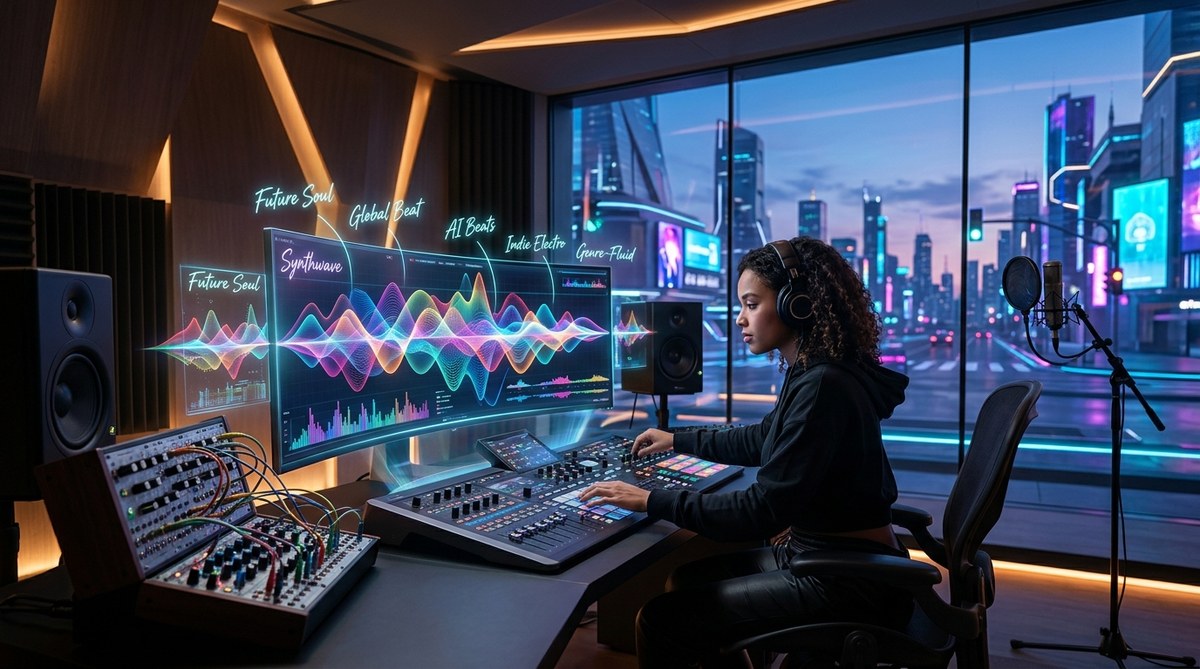
The music scene in 2026 is buzzing with change. New genres are rising, old ones are transforming, and technology continues to push boundaries. Artists and listeners alike are riding a wave of innovation that reshapes what music can be. From the influence of artificial intelligence to global cultural shifts, the soundscape of this year reflects a vibrant mix of creativity and technology. Whether you’re a dedicated fan, a seasoned industry pro, or a researcher, understanding these trends helps you stay ahead in a rapidly evolving musical world.
In 2026, music is defined by genre fusion, technological innovation, and a globalized cultural exchange. Artists are blending styles, leveraging AI tools, and embracing sustainability, shaping a dynamic and interconnected industry that offers exciting opportunities for all involved.
The evolution of music genres in 2026
One of the most noticeable shifts in 2026 is how genres are blending and morphing into new forms. Traditional boundaries are dissolving, giving rise to hybrid styles that reflect diverse cultural influences and technological experimentation.
Genre fusion and new hybrids
Genres like trap and lo-fi continue to evolve, with producers integrating elements from jazz, classical, and world music. For instance, a new wave of Afrobeat-infused trap tracks is dominating playlists, while ambient sounds from traditional folk are merging with electronic music to create immersive listening experiences.
The rise of niche and experimental genres
Niche genres such as vaporwave and glitch pop are gaining mainstream attention thanks to platforms like Artists are increasingly pushing boundaries, using digital tools to craft sounds that challenge conventional definitions of music.
Global influences shaping mainstream sounds
Globalization fuels the spread of regional styles. K-pop continues its global dominance, while Latin trap and Afrobeat are influencing mainstream pop and rap. This interconnectedness fosters a richer, more diverse musical landscape that appeals to a broader audience.
How technology is redefining music creation and consumption
Technological advancements are at the core of many trends in 2026. From AI-assisted composition to immersive audio formats, tech empowers artists and enhances the listening experience.
Artificial intelligence as a creative partner
AI tools have become standard in music production. They assist with songwriting, mixing, mastering, and even generating entire tracks. https://mastodonmusic.social/how-modern-technology-is-transforming-music-styles-and-production/ offers insights into how AI is shaping new musical possibilities.
Spatial and lossless audio
Consumers increasingly favor high-fidelity sound. Spatial audio creates immersive environments, making listeners feel like they are inside the music. Streaming platforms now support lossless formats, ensuring audio quality remains pristine.
Real-time data and personalized music
Data-driven algorithms personalize playlists, concert recommendations, and even live performances. This customization keeps audiences engaged and connected to music that resonates on a personal level.
Sustainable and eco-conscious production
Environmental concerns influence music production and touring. Artists are adopting sustainable practices, from eco-friendly packaging to virtual performances, aligning their music careers with ecological values.
Industry shifts driving change in 2026
The music industry is adapting to new realities shaped by technology, consumer behavior, and global trends.
The rise of independent artists
Independent musicians are leveraging direct-to-fan platforms and social media to build audiences without major label support. This democratization allows for more diverse voices and innovative projects to thrive.
Streaming economy maturity
Streaming remains the dominant distribution method. Platforms are experimenting with new revenue models, including blockchain-based royalties and interactive experiences, to better compensate artists.
Live music’s resurgence
Post-pandemic, live performances are evolving with hybrid events, virtual reality concerts, and augmented reality experiences. These innovations make live music accessible to global audiences and open new revenue streams.
Embracing cultural diversity
Labels and artists are increasingly focusing on authentic representation. This shift fosters culturally rich content that appeals globally, reflecting the interconnected world.
Practical ways to stay ahead in the changing music landscape
Here are three steps to adapt and thrive amid these trends:
-
Experiment with genre blending
Combine elements from different styles to create fresh sounds. For example, integrating traditional instruments with digital production tools can produce innovative tracks. -
Leverage AI and tech tools
Use AI-powered software for songwriting, mixing, and mastering. Staying familiar with platforms like https://mastodonmusic.social/top-music-gear-trends-every-producer-should-know-in-2026/ can give you a competitive edge. -
Engage with global audiences
Embrace cultural diversity and local influences. Incorporate regional styles into your music and use social media to connect with fans worldwide.
Techniques and common pitfalls
| Technique | Mistake to Avoid |
|---|---|
| Using spatial audio for immersive mixes | Overdoing effects that distract from the song |
| Incorporating AI in composition | Relying solely on AI without artistic input |
| Blending genres authentically | Creating confusing or disjointed sounds |
“The artists who succeed in 2026 will be those who integrate technology without losing their authentic voice,” says music producer Jamie Lee. Balancing innovation with genuine expression is key.
The global impact on musical styles
Regional cultures influence the global soundscape. African rhythms, Asian melodies, and Latin grooves are no longer confined but integrated into mainstream music.
How regional styles shape trends
For example, the popularity of Amapiano and Afrobeat has soared, inspiring producers worldwide. Meanwhile, jazz and soul are experiencing a renaissance, driven by a desire for authentic, emotionally rich music.
Making music with AI tools
Platforms like https://mastodonmusic.social/how-to-choose-the-perfect-audio-tech-for-your-music-style/ enable artists to craft genre-specific sounds efficiently. They democratize access, allowing newcomers to produce professional-grade music.
The future of music creation and sharing
The landscape in 2026 is characterized by innovation and inclusivity. Artists are experimenting with new formats, from virtual concerts to interactive albums. Fans are seeking more personalized and immersive experiences.
How to harness upcoming trends
- Use AI to generate ideas and streamline production.
- Embrace spatial and high-resolution audio formats.
- Incorporate cultural influences authentically.
- Focus on sustainability in your projects.
Final thoughts on shaping tomorrow’s music
In a landscape marked by rapid change, adaptability is crucial. By staying open to new technology and embracing diverse influences, you can craft music that resonates globally. Remember, the core of great music remains authentic expression—technology is merely a tool to amplify it.
Keeping the pulse of the ever-changing musical world
Remaining aware of shifts in genres, technology, and industry practices will help you stay relevant. Whether you’re producing, performing, or researching, continuous learning ensures you’re part of the conversation shaping music in 2026 and beyond.
By experimenting with new styles, leveraging innovative tools, and engaging with global audiences, you can find your unique voice in this dynamic era. The future of music is bright, vibrant, and full of possibilities—it’s up to you to make the most of it.
About the Author
