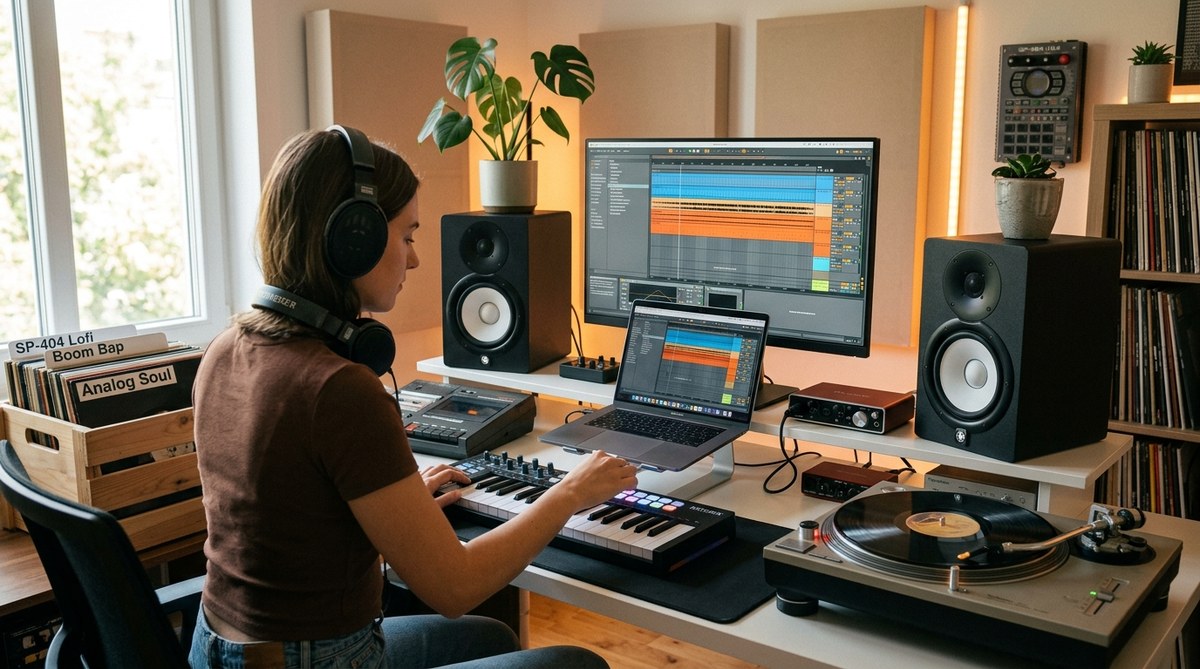
Lo-fi music has become one of the most influential genres shaping modern production. Its relaxed vibe, nostalgic aesthetic, and DIY spirit have resonated with millions worldwide. From YouTube streams to mainstream playlists, the genre’s rise signifies more than just a sound. It reflects a shift in how artists approach creation, blending imperfection with innovation. As you navigate this vibrant scene, understanding lo-fi’s evolution helps you appreciate its impact on contemporary music and possibly incorporate some of its techniques into your own projects.
The rise of lo-fi music has revolutionized modern production by emphasizing authenticity, simplicity, and [emotional connection](https://www.who.int/health-topics/mental-health#tab=tab_1). Its influence encourages artists to embrace imperfections and innovate within accessible digital tools, shaping contemporary soundscapes in new and exciting ways.
The Origins and Evolution of Lo-Fi Music
Lo-fi, short for low fidelity, originally referred to recordings with imperfections like background noise, distortion, or uneven sound quality. These quirks were often unintentional, stemming from limited recording equipment or DIY setups. Over time, artists began to intentionally incorporate these elements, valuing authenticity over polish. Early lo-fi pioneers like Daniel Johnston and Beat Happening embraced raw sounds as a form of artistic expression.
The genre gained momentum through underground scenes and independent labels. As digital tools became more accessible, creators started experimenting with lo-fi aesthetics in home studios. The internet played a crucial role, especially with platforms like SoundCloud and Bandcamp, where artists shared their unrefined yet emotionally compelling tracks. The aesthetic became associated with nostalgia, simplicity, and personal storytelling.
How Lo-Fi Music Became Mainstream
The internet’s influence cannot be overstated. Streaming services and social media helped lo-fi reach a broader audience. Playlists and radio stations dedicated to chill beats and study music skyrocketed in popularity. Notably, the rise of lo-fi hip hop, with its laid-back drum patterns and jazzy chords, became a staple for relaxation and focus.
YouTube channels like “lofi hip hop radio” started streaming 24/7, solidifying the genre’s cultural presence. These streams often feature animated visuals and calming aesthetics, appealing to those seeking background music for work, study, or relaxation. This digital shift pushed lo-fi from underground to mainstream, fostering a community that values authenticity and personal expression.
Impact on Modern Production Techniques
The influence of lo-fi is evident in how contemporary artists approach music creation. Its emphasis on simplicity and imperfection encourages experimentation and accessibility. Here are some ways lo-fi has impacted production:
1. Embracing Imperfections
Producers now intentionally add noise, distortion, and tape hiss to create a warm, nostalgic feel. This breaks away from the pristine sound of traditional recordings and invites a more human, relatable vibe.
2. Lo-Fi Production Techniques
Common techniques include sampling vinyl crackle, using vintage instruments, and applying analog-style effects. These methods foster a textured, organic sound that contrasts sharply with digital perfection.
3. Simplified Arrangements
Lo-fi tracks often feature minimalistic arrangements with repetitive loops and relaxed tempos. This approach reduces the barrier to entry for new producers and emphasizes mood over complexity.
Techniques versus Common Mistakes
| Technique | Mistake to Avoid |
|---|---|
| Using vinyl crackle samples | Overusing noise to the point of distraction |
| Applying gentle compression | Crushing the dynamics, losing the vibe |
| Incorporating jazzy chords | Overcomplicating melodies, losing simplicity |
| Lo-fi effects (bit crushing, tape saturation) | Overprocessing, losing clarity |
Practical Process for Creating Lo-Fi Beats
- Start with a relaxed drum pattern using simple kick, snare, and hi-hat sequences. Keep the rhythm laid-back.
- Add jazzy chords or melodic samples that evoke nostalgia. Use a keyboard or guitar to record your own or find vintage samples.
- Incorporate environmental sounds like rain, street noise, or vinyl crackle to add texture.
- Apply lo-fi effects such as bit crushing, tape saturation, or vinyl emulation plugins.
- Mix with an emphasis on warmth and analog feel. Use subtle compression and EQ to enhance the vintage vibe.
Expert Tip
“The beauty of lo-fi lies in its imperfections. Don’t be afraid to leave some noise or distortion — it’s what makes the music feel authentic and engaging,” advises producer and educator DJ Seinfeld.
The Cultural Shift and Its Influence on Production
The aesthetic of lo-fi extends beyond sound. Visuals, branding, and community interaction shape its identity. Artists often use nostalgic imagery, vintage visuals, and relaxed branding to connect emotionally. This shift encourages producers to think beyond sound, embracing storytelling and aesthetic cohesion.
The genre also fosters a DIY ethic. Artists often produce, mix, and distribute their music independently. This democratization has opened doors for diverse voices and experimental approaches.
Lo-Fi’s Role in Music Education
Many students and aspiring producers turn to lo-fi to learn mixing and production. Its straightforward arrangements and accessible tools make it ideal for beginners. Tutorials and online courses emphasize sampling, effect processing, and arrangement, providing a practical foundation for broader music skills.
How to Incorporate Lo-Fi Elements Into Your Production
If you want to experiment with lo-fi aesthetics, consider these steps:
- Use simple, relaxed drum patterns that emphasize groove and feel.
- Sample vintage sounds or record your own ambient textures.
- Add noise, crackle, or tape saturation to give warmth and character.
- Keep arrangements minimal and focus on mood and emotion.
- Experiment with effects like reverb and delay to create space.
- Share your music on platforms like SoundCloud or Bandcamp to build an audience.
Common Mistakes to Avoid
- Overprocessing sounds, which can make the track muddy.
- Relying too heavily on effects without musicality.
- Ignoring the importance of dynamics and space.
- Using overly polished samples that clash with lo-fi aesthetic.
Lo-Fi’s Influence on Future Music Production
The rise of lo-fi signifies more than a trend; it marks a shift toward valuing authenticity, emotion, and simplicity. Modern producers are increasingly blending lo-fi techniques with genres like indie, pop, and even electronic dance music. This fusion creates fresh, textured soundscapes that appeal to diverse audiences.
As technology advances, so does the potential for lo-fi aesthetics. AI-driven tools and plugins make it easier than ever to add vintage textures or simulate analog gear. This democratizes production further, allowing more artists to craft compelling, imperfect sound worlds.
Final Notes for Aspiring Producers
The impact of lo-fi music on modern production is undeniable. Its emphasis on rawness and emotion encourages a more personal approach to creating music. Whether you aim to produce chill beats for studying, ambient backgrounds, or innovative blends, embracing lo-fi techniques can greatly enrich your sound.
Start by experimenting with simple arrangements and vintage textures. Remember that imperfections are what give lo-fi its charm. With patience and curiosity, you can incorporate these elements into your own work, giving your music a unique and authentic voice.
Embracing the Lo-Fi Spirit in Your Music Journey
As lo-fi continues to shape the musical landscape, it invites you to focus on authenticity and emotional connection. Use accessible tools, learn from community tutorials, and don’t be afraid to make mistakes. Your unique voice can bring fresh perspectives to this ever-evolving genre.
Whether you’re just beginning or refining your craft, understanding the rise of lo-fi music and its influence on modern production can inspire your next project. Keep experimenting, stay true to your aesthetic, and let imperfections guide your creative process.
About the Author
