Getting the drums right can transform a simple melody into a captivating modern track. Whether you’re producing hip-hop, pop, EDM, or indie music, drum programming shapes the groove and energy of your song. The art of crafting drums that hit hard and feel natural is both a skill and a craft. It requires understanding rhythm, sound selection, and timing to make your beats come alive. This guide walks you through practical steps and tips to sharpen your skills and bring more punch and realism to your drum tracks.
Mastering drum programming for contemporary music production involves understanding rhythm, selecting the right sounds, and humanizing your MIDI to create realistic, punchy, and groove-driven beats that elevate your tracks to professional levels.
Understanding the core of modern drum programming
Before diving into techniques, it’s essential to grasp what makes drums feel authentic and compelling in contemporary music. Unlike traditional recording, where real drums are played live, MIDI and virtual instruments give you the flexibility to craft beats with precision. The key is to balance mechanical accuracy with human feel.
Modern drum programming often combines programmed precision with subtle imperfections that mimic real drummers. This results in beats that groove naturally and resonate emotionally with listeners.
Practical steps to improve your drum programming skills
Here are actionable steps to start making better drum tracks today:
-
Analyze professional tracks
Listen critically to your favorite songs across genres. Focus on how the drums feel—are they tight, loose, punchy, or laid-back? Pay attention to details like velocity variation, timing, and sound layering. This listening habit trains your ear and helps you understand what makes a drum pattern feel alive. -
Choose the right sounds and samples
A great drum pattern can fall flat if the sounds don’t fit. Use high-quality drum kits or sample packs tailored to your genre. Layer different samples to add depth and character. For example, combining a solid kick with a subtle low-end boost and a punchy snare can produce a more compelling rhythm. -
Create and humanize your MIDI data
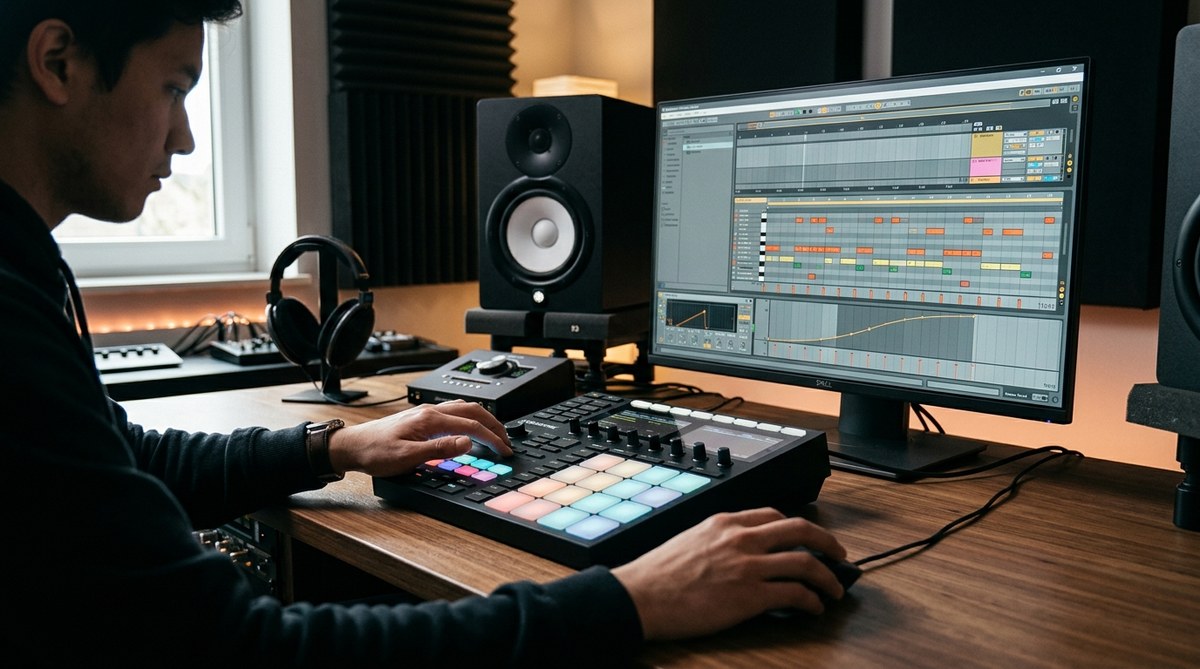
Program your beats in your DAW. Start with a simple pattern, then add variations in velocity to mimic how a real drummer would play. Slight timing imperfections—like shifting some hits slightly off-grid—can make your drums feel more organic. Use your DAW’s humanize function or manually adjust velocities and timing.
Techniques to craft realistic and impactful drums
Applying the right techniques can make your programmed drums feel convincing and lively. Here are some effective methods:
- Velocity variation: Vary the volume of each hit to simulate dynamics. For example, a snare hit can be slightly softer or louder depending on the groove.
- Swing and groove: Apply swing or shuffle to your MIDI to avoid stiff, robotic patterns. This subtle timing shift gives a natural feel.
- Layering sounds: Combine different samples for each drum element to add richness. For instance, layering a clap with a snappy snare enhances presence.
- Use ghost notes: Add quieter hits around the main beats, especially on the snare, to mimic a real drummer’s subtle embellishments.
- Adjust release and decay: Tweak how long each sound sustains to fit the groove and make the drums breathe.
“The secret to convincing drum programming is to think like a drummer. Feel the rhythm, add imperfections, and always listen critically.” — industry expert
Common mistakes to avoid in modern drum programming
| Mistake | Why it hurts your groove | How to fix it |
|---|---|---|
| Over-quantizing | Drains natural feel | Use quantize sparingly, and manually adjust hits |
| Using generic sounds | Makes drums feel sterile | Layer and customize your samples |
| Ignoring velocity dynamics | Makes drums sound robotic | Vary velocities based on groove context |
| Not humanizing timing | Creates stiff patterns | Slightly shift timing of hits for realism |
| Overloading with effects | Masks rhythm and clarity | Use effects subtly, focus on sound clarity |
Essential tools and resources
- Digital audio workstations (DAWs): Ableton Live, FL Studio, Logic Pro X, and Cubase all excel at drum programming.
- Virtual drum instruments: Superior Drummer, Addictive Drums, and Kontakt libraries provide realistic sounds.
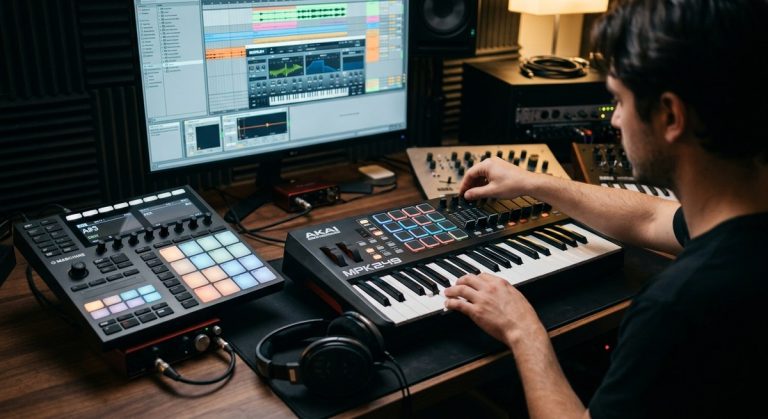
- MIDI controllers: Using drum pads or electronic kits can help you feel the rhythm physically and translate that into your MIDI programming.
- Tutorials and courses: Sites like Mastodon Music offer dedicated tutorials on drum programming for contemporary music production, perfect for beginners and advanced producers alike.
Tips to take your drum programming to the next level
- Start with a simple pattern and gradually add complexity. Overloading your beat can make it feel cluttered.
- Focus on the groove first. Once the rhythm feels good, refine the sound and mixing.
- Use reference tracks to compare your work. Listening to how professional tracks handle their drums can inspire your own arrangements.
- Don’t be afraid to experiment with unconventional sounds and rhythmic ideas. Sometimes a surprising pattern can make your track stand out.
Common pitfalls and how to avoid them
| Technique | Mistake | Impact | Solution |
|---|---|---|---|
| Quantization | Overuse | Robots your groove | Use subtle humanization instead |
| Sound selection | Using generic samples | Drums sound flat | Layer samples and tweak parameters |
| Velocity editing | Ignoring dynamics | Drums lack life | Vary velocities to add contrast |
| Timing correction | Over-correcting | Kills groove | Keep some natural timing variations |
The importance of groove and feel
Achieving a compelling groove is about more than just programming notes. It’s about feeling the rhythm and adding slight imperfections that mimic a human performer. Remember to listen critically and compare your beats with professional tracks. Small adjustments in velocity, timing, and sound layering can make a big difference.
Final words on mastering drum programming
Practicing these techniques regularly builds your confidence and sharpens your ear. Record your patterns and listen back critically. Over time, you’ll develop your unique style and a better sense of what makes drums feel alive. Keep experimenting and refining your approach. The more you apply these principles, the more your drum tracks will stand out in contemporary music production.
Keep the groove flowing in your productions
Improving your drum programming skills is a continuous journey. Focus on understanding rhythm, selecting the right sounds, and humanizing your MIDI data. With patience and practice, your beats will sound more natural, energetic, and professional. Remember, the power of great drums is in the details. Keep listening, tweaking, and pushing your creative boundaries. Your tracks will thank you for it.
About the Author