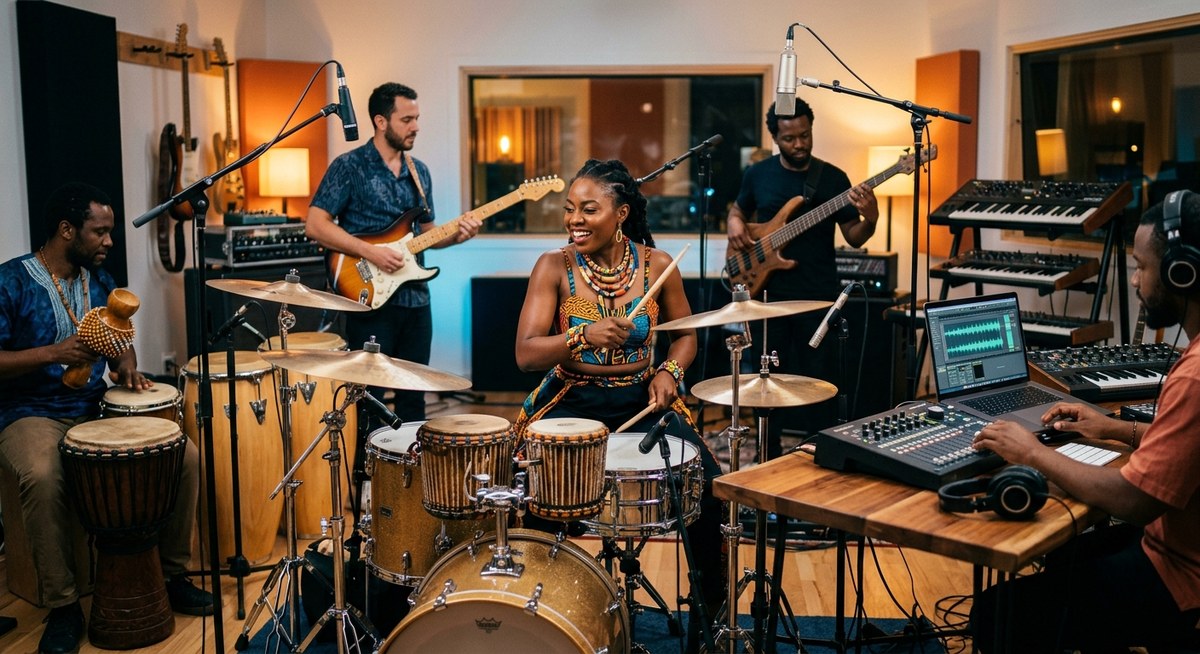
Afrobeat’s vibrant rhythms and rich cultural roots have left an indelible mark on the landscape of modern music. This genre, pioneered by legendary figures like Fela Kuti, has evolved beyond its West African origins to influence a wide array of contemporary styles. Whether in pop, hip-hop, electronic dance music, or indie tracks, Afrobeat’s infectious energy continues to shape the soundscape of today’s global music scene. Understanding this influence offers a deeper appreciation for how interconnected and dynamic musical genres really are.
Afrobeat has significantly shaped modern music by infusing genres with its rhythmic complexity and cultural richness. Its influence is evident across pop, hip-hop, EDM, and beyond, fostering new fusion styles and inspiring artists worldwide.
The Roots of Afrobeat and Its Cultural Significance
Afrobeat originated in Nigeria during the late 1960s, blending traditional Yoruba rhythms, jazz, funk, and highlife. Fela Kuti, the genre’s pioneer, crafted a sound that was both a musical revolution and a political statement. It was a reflection of Nigeria’s social landscape, utilizing layered percussion, horns, and call-and-response vocals. This unique fusion created a compelling groove that was both danceable and message-driven.
The genre’s cultural importance extended beyond music. Afrobeat became a voice for social justice, political activism, and African identity. Its influence reaches into fashion, dance, and visual arts, making it a comprehensive cultural movement. As the genre spread beyond Nigeria, it carried its powerful rhythms and messages into the global consciousness.
How Afrobeat Spread and Evolved Globally
Afrobeat’s journey from Lagos to the world involved several key moments. In the 1970s and 80s, artists like Tony Allen and Antibalas kept the sound alive, touring internationally. The rise of digital music and streaming platforms further accelerated Afrobeat’s reach, allowing artists worldwide to incorporate its elements seamlessly.
Contemporary artists have fused Afrobeat with other genres. For example, in pop music, artists like Beyoncé have incorporated Afrobeat-inspired rhythms into their hits. Hip-hop producers have sampled Afrobeat’s percussion patterns to add a new layer of groove. Electronic dance music producers have integrated Afrobeat’s complex percussion into club tracks, creating hybrid sounds that appeal to global audiences.
The Influence on Popular Music Genres
Afrobeat’s impact is visible across multiple genres, shaping their rhythms, melodies, and production styles.
Pop and R&B
Pop artists increasingly draw on Afrobeat’s infectious grooves to craft dance hits. Tracks like Beyoncé’s “Black Is King” showcase Afrobeat’s rhythmic influence, incorporating its percussion and melodic structures. The genre’s emphasis on groove and rhythm injects energy into mainstream music, making it more danceable and culturally rich.
Hip-Hop
Hip-hop producers adopt Afrobeat’s layered percussion and groove for beats and samples. Artists like Drake have integrated Afrobeat elements into their songs, blending rap with West African rhythms. This fusion creates a vibrant sound that resonates with diverse audiences.
Electronic Dance Music
EDM producers incorporate Afrobeat’s complex percussion patterns into house and techno tracks. This fusion results in dynamic, dancefloor-ready tunes that blend electronic textures with traditional rhythms. It broadens the scope of electronic music, infusing it with cultural depth.
Techniques and Mistakes in Afrobeat Fusion
| Technique | Description | Common Mistake |
|---|---|---|
| Layered percussion | Combining multiple rhythmic patterns for complexity | Overloading tracks with too many percussion layers |
| Call-and-response vocals | Interactive vocal style rooted in African traditions | Using repetitive, unvaried vocal lines |
| Fusing genres | Blending Afrobeat with pop, hip-hop, EDM | Losing genre identity by over-mixing styles |
“Incorporating Afrobeat into modern music isn’t just about rhythm. It’s about capturing a cultural essence that adds depth and authenticity to contemporary sounds,” says music producer David Okoro.
The Artistic Pioneers and Their Lasting Impact
Fela Kuti’s revolutionary approach set the foundation for Afrobeat’s global influence. Modern artists like Burna Boy, Wizkid, and Tiwa Savage continue to carry the torch, infusing their music with Afrobeat’s signature rhythms and social messages. Burna Boy’s Grammy-winning album “Twice as Tall” exemplifies how Afrobeat has evolved into a modern, versatile genre that resonates worldwide.
These artists have adopted contemporary production techniques, blending traditional African sounds with global genres. Their success demonstrates Afrobeat’s adaptability and its capacity to inspire new generations of musicians.
Cultural Influence That Goes Beyond Music
Afrobeat’s reach extends into cultural realms such as dance and fashion. Dance styles like Azonto and Shaku Shaku incorporate Afrobeat rhythms and have gained popularity worldwide. Fashion inspired by Afrobeat artists reflects vibrant colors, bold patterns, and Afrocentric aesthetics, influencing streetwear and high fashion alike.
This cultural crossover enhances the genre’s appeal, making it a symbol of African pride and global unity. As Afrobeat continues to influence various art forms, it fosters a broader appreciation for African culture and history.
How To Embrace Afrobeat Influence in Your Music
For musicians and producers eager to incorporate Afrobeat’s energy into their work, here are steps to get started:
- Immerse yourself in classic Afrobeat recordings to understand the rhythmic foundation. Listen to Fela Kuti’s albums and tracks by Tony Allen.
- Focus on percussion by experimenting with layered rhythms using traditional drums or digital samples. Incorporate syncopated beats and polyrhythms.
- Integrate call-and-response vocals to add interaction and authenticity. Use chants and repeated phrases to mimic Afrobeat’s communal feel.
- Blend genres gradually by adding Afrobeat elements into existing styles. Start with percussion or rhythmic patterns before exploring melodic and harmonic aspects.
- Stay authentic by respecting the genre’s cultural roots. Collaborate with African musicians or study traditional music to deepen your understanding.
Practical Process for Fusion Success
- Research traditional Afrobeat sounds and rhythms.
- Sample or program layered percussion using DAWs or live instruments.
- Incorporate call-and-response vocals or chants.
- Experiment with blending Afrobeat patterns into your preferred genre.
- Seek feedback from musicians familiar with African music traditions.
Common Pitfalls and How to Avoid Them
| Mistake | How to Avoid |
|---|---|
| Overusing percussion | Balance rhythmic complexity with space in your mix |
| Losing cultural context | Respect the genre’s roots and message |
| Over-mixing genres | Maintain clarity by focusing on core elements first |
| Ignoring authentic vocals | Use traditional vocal styles or collaborate with African artists |
Bringing Afrobeat into the Modern Soundscape
Understanding Afrobeat’s influence reveals its vital role in shaping contemporary music. Its fusion of rhythmic complexity, cultural expression, and social commentary continues to inspire artists across genres. Whether in chart-topping pop hits or underground electronic tracks, Afrobeat’s spirit lives on.
As music enthusiasts, students, and industry insiders, embracing this influence can deepen your appreciation and creativity. Experiment with Afrobeat patterns, collaborate with artists from different backgrounds, and recognize the genre’s power to unify cultures through rhythm.
Applying Afrobeat’s Spirit to Your Music Journey
Incorporating Afrobeat’s infectious energy can elevate your sound and connect you with a global tradition of rhythm and resilience. Keep listening, learning, and experimenting. The genre’s influence is vast, and your next musical project might just be the one that pushes the boundaries further.
Remember, the heartbeat of Afrobeat is about community, rhythm, and stories. Let that guide your musical exploration and create sounds that resonate deeply with listeners worldwide.
About the Author
