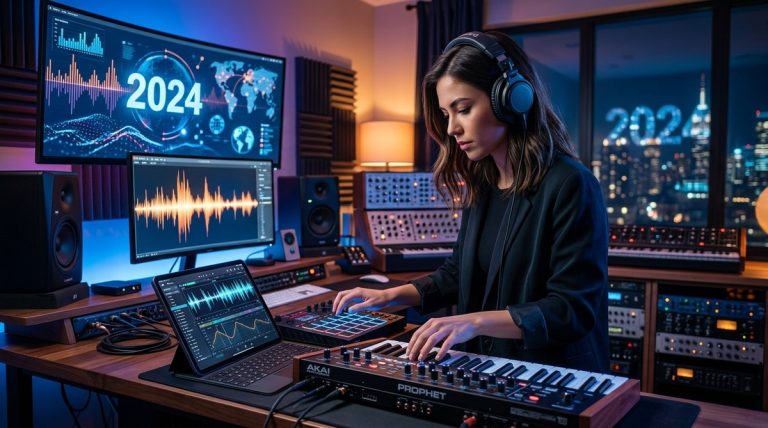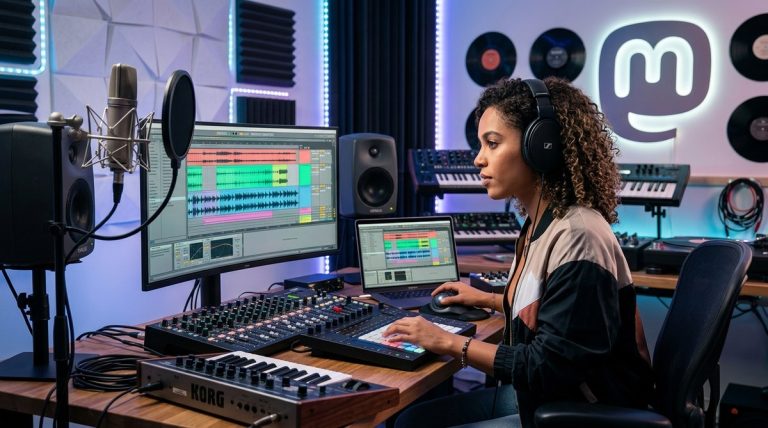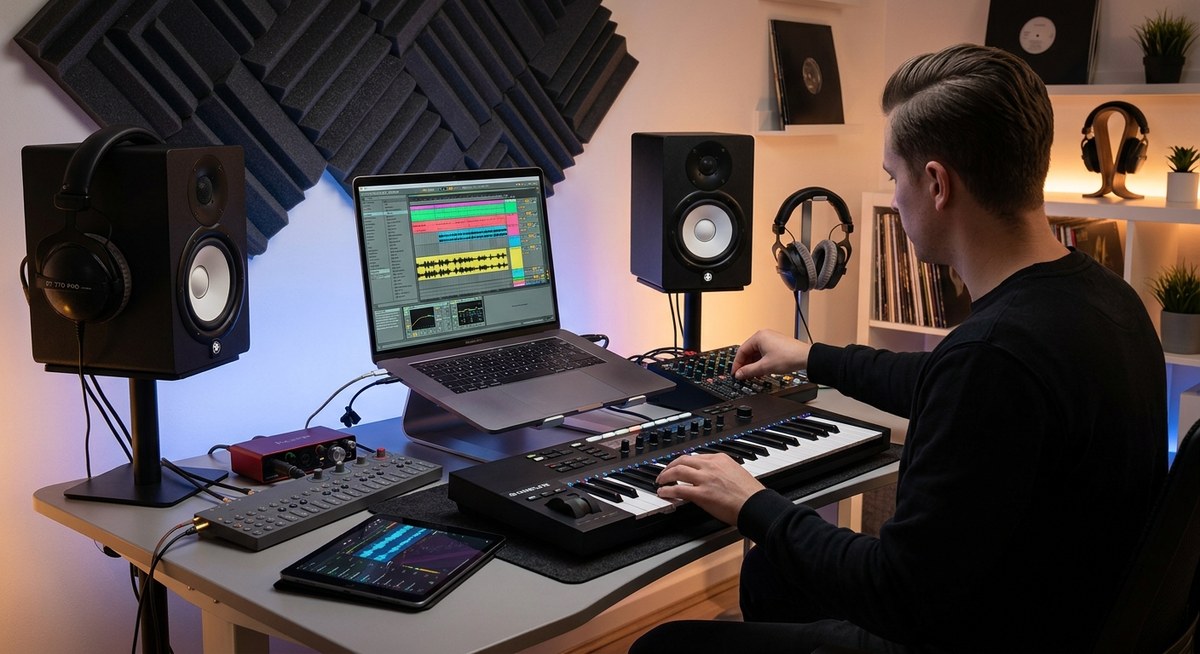
Music has always evolved with the times. From acoustic instruments to electric guitars, vinyl records to streaming services, each leap forward has reshaped how we create and experience music. Today, the pace of change is faster than ever before. Modern technology is not just influencing music styles but revolutionizing how music is produced, shared, and consumed. This transformation opens new doors for artists and listeners and redefines what music can be.
Technology is fundamentally reshaping music by changing how it is created, produced, and shared. From digital tools enabling new sounds to virtual collaboration, modern innovations make music more accessible, diverse, and dynamic than ever before.
How technology influences the evolution of music styles
Music styles are constantly shifting, often influenced by cultural movements, societal changes, and technological advances. Today, digital tools and platforms are major drivers of these changes. They allow artists to experiment with new sounds and reach audiences worldwide without traditional barriers.
Digital instruments and software expand sonic possibilities
Electronic music, for example, has become a dominant genre thanks to advancements in synthesizers and digital audio workstations (DAWs). Programs like Ableton Live, FL Studio, and Logic Pro enable creators to craft complex arrangements with a few clicks. These tools offer vast libraries of sounds, effects, and virtual instruments that make it easier to produce innovative music styles.
Accessibility boosts diversity and experimentation
With affordable equipment and user-friendly software, more musicians can produce professional-quality tracks at home. This democratization leads to a surge in diverse genres and hybrid styles. Artists blend influences from different cultures more easily, creating fresh sounds that challenge traditional boundaries.
Streaming and social media influence trends
Platforms like Spotify, Apple Music, and YouTube serve as both distribution channels and trend incubators. Viral hits can originate from bedroom producers using simple gear and sharing their work online. As a result, music styles evolve rapidly, driven by listener engagement and viral moments.
How technology is transforming music production
Producing music today involves a combination of advanced software, hardware, and innovative techniques. These changes impact every stage of the process, from composition to mastering.
1. Digital audio workstations streamline creation
Modern DAWs have replaced traditional recording studios for many artists. They provide an all-in-one environment where you can record, edit, mix, and master tracks. Features like automation, MIDI integration, and real-time effects make production more efficient and flexible.
2. Virtual instruments and plugins expand sound palettes
Software instruments simulate everything from pianos to orchestras. Effects plugins add reverb, delay, distortion, and more, allowing producers to craft unique sonic textures. This reduces the need for physical instruments and expensive hardware.
3. AI-driven tools aid composition and mastering
Artificial intelligence is increasingly integrated into music production. Apps like Amper Music or AIVA help generate melodies or even entire compositions based on user preferences. AI mastering services analyze tracks and apply optimal settings, ensuring professional sound quality with less effort.
4. Cloud collaboration breaks geographical barriers
Cloud-based platforms enable artists, producers, and engineers from around the world to work together seamlessly. Real-time sharing and editing foster creative collaborations without the need for physical proximity, accelerating project turnaround.
5. Automation and efficiency boost productivity
Automation features in DAWs allow precise control over volume, effects, and panning. This makes complex mixes easier to achieve and helps streamline repetitive tasks, freeing artists to focus on creativity.
Common pitfalls and how to avoid them
While technology offers incredible opportunities, it can also lead to mistakes. Here’s a table highlighting common errors and ways to prevent them:
| Technique | Mistake | How to avoid |
|---|---|---|
| Overusing effects | Making mixes muddy or artificial | Use effects sparingly, trust your ears |
| Ignoring proper monitoring | Mixing with incorrect speakers or headphones | Invest in good monitors or headphones, check mixes on multiple systems |
| Relying solely on presets | Producing generic sounds | Customize presets, experiment with settings |
| Skipping backups | Losing work due to technical issues | Save versions regularly, use cloud storage |
| Not learning the tools thoroughly | Wasting time and limiting creativity | Invest time in tutorials and practice |
Practical steps to harness technology in your music journey
Whether you’re a budding musician or a seasoned pro, integrating technology effectively can elevate your work. Here are three key steps:
- Choose the right tools: Start with beginner-friendly DAWs and virtual instruments that suit your style. Free options like Cakewalk or LMMS are great entry points.
- Learn continuously: Follow tutorials from trusted sources like YouTube channels or online courses on platforms such as Udemy or Skillshare.
- Collaborate online: Use cloud platforms or forums to exchange ideas, get feedback, and co-create with others regardless of location.
The future of music technology
Looking ahead, innovations like artificial intelligence, virtual reality, and augmented reality promise to reshape how we create and experience music. Imagine virtual concerts where you can interact with performers in a 3D space or AI-generated compositions tailored to your mood. These advancements will make music more immersive and personalized.
Embracing AI and immersive media
AI will continue to assist artists in generating ideas, refining sounds, and even performing live. Virtual instruments and environments will become more realistic, allowing for new forms of expression.
The rise of virtual collaboration
Remote collaboration will become even more seamless, with real-time virtual studios replacing physical studios for many projects. This will democratize access to high-quality production resources.
How you can keep up
Stay curious about emerging tools and trends. Attend workshops, participate in online communities, and experiment with new technology. The more you adapt, the more you can push your creative boundaries.
Connecting the dots: technology’s ongoing influence on music
Modern technology is not just a tool but a catalyst for artistic expression. It enables new genres, simplifies production, and fosters global collaboration. Artists and fans alike benefit from the innovations that make music more accessible, diverse, and engaging.
A few tech-driven trends shaping music today
- AI-generated melodies for quick inspiration
- Virtual reality concerts for immersive experiences
- Mobile recording apps for on-the-go creation
- Blockchain for transparent rights management
- Machine learning for personalized music recommendations
Final thoughts
Integrating technology into your music practice can open doors to new creative horizons. Experiment with different tools, learn from others, and don’t be afraid to break traditional rules. The future of music is being written today, and your participation can help shape its next chapter.
Keep making music that moves with the times
Adapting to technological advances is essential for staying relevant and inspired. Embrace the digital tools at your disposal, stay curious, and let innovation fuel your musical journey. The possibilities are endless when technology and creativity come together.
About the Author