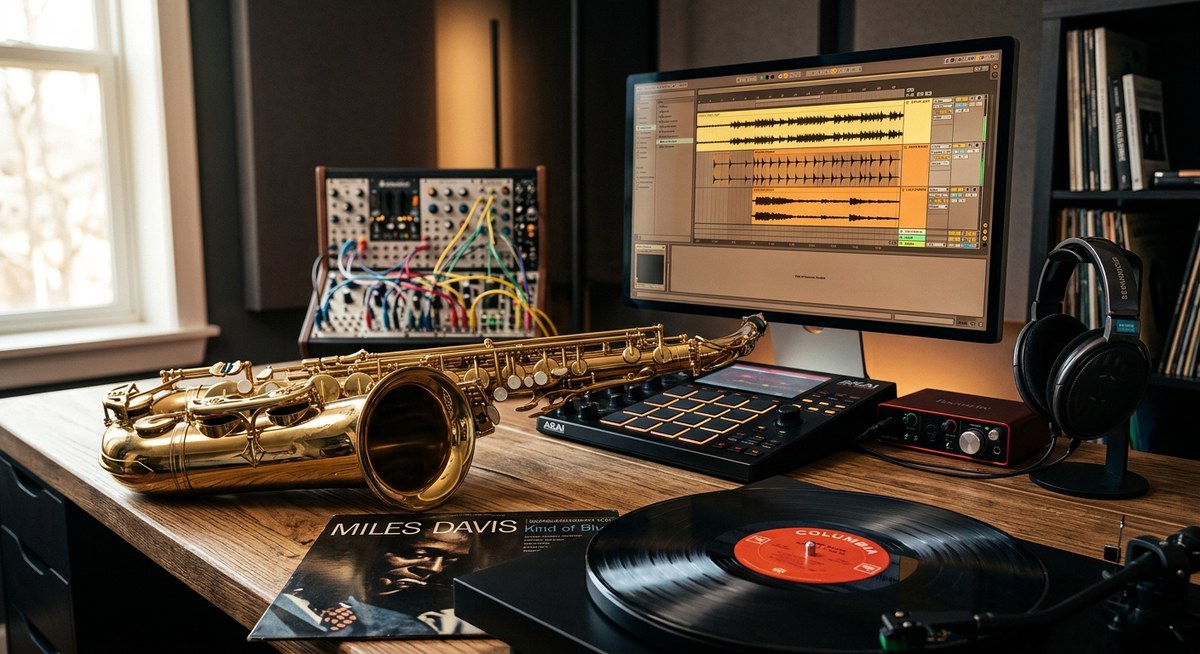
Jazz music has always been a dynamic and transformative genre. Its rich history is a story of constant innovation, blending influences, and pushing boundaries. From the lively streets of New Orleans to the sophisticated stages of today, jazz has evolved into a multitude of styles that continue to inspire modern musicians and fans alike. Understanding this evolution reveals how jazz has shaped the soundscape of contemporary music and why its legacy remains vital.
The evolution of jazz genres in modern music showcases a journey from traditional improvisation to diverse styles like bebop, cool jazz, and fusion. This progression highlights jazz’s influence on almost every modern genre, shaping musical expression worldwide.
The roots of jazz and its early developments
Jazz’s story begins in the early 20th century within the vibrant cultural melting pot of New Orleans. The genre emerged from a blend of African rhythms, blues, ragtime, and brass band traditions. Its improvisational nature and rhythmic complexity set it apart from other musical styles of the time. Early jazz was characterized by lively dance tunes and soulful melodies that captured the spirit of community and innovation.
Key influences shaping early jazz
- African musical traditions brought rhythmic intricacy and call-and-response patterns
- Blues contributed emotional depth and expressive melodies
- Ragtime introduced syncopation and structured piano compositions
- Brass bands fostered a lively, improvisational performance style
Major eras and their defining features
Jazz’s timeline is marked by distinct periods, each contributing new sounds and ideas to the genre. These eras reflect both cultural shifts and technological advancements that expanded jazz’s reach and complexity.
The swing era (1930s-1940s)
Swing brought big bands into the spotlight and made jazz a popular dance music. It emphasized smooth arrangements, strong rhythms, and memorable melodies. Artists like Duke Ellington and Benny Goodman became household names, and swing’s infectious energy made it a cultural phenomenon.
Bebop’s revolutionary shift (1940s-1950s)
Bebop revolutionized jazz with faster tempos, complex harmonies, and intricate improvisation. It shifted jazz from dance music to an art form focused on musicianship and innovation. Charlie Parker and Dizzy Gillespie led this movement, which laid the groundwork for modern jazz.
Cool jazz and West Coast sound (1950s)
Cool jazz responded to bebop’s intensity with a more relaxed, refined approach. It incorporated softer dynamics, smoother melodies, and a focus on arrangement. Miles Davis and Chet Baker exemplified this style, influencing later jazz and popular music.
Hard bop and soul jazz (1950s-1960s)
Hard bop returned to jazz’s roots with blues and gospel influences. It emphasized groove, rhythm, and expressive solos. Artists like Art Blakey and Horace Silver contributed to its gritty, soulful sound.
Modal jazz and free jazz (1950s-1960s)
Modal jazz broke free from chord-based improvisation, exploring scales and modes for greater harmonic freedom. Miles Davis’s “Kind of Blue” is a prime example. Free jazz pushed boundaries further, embracing collective improvisation and atonality.
Fusion and modern jazz (1970s onward)
Fusion blended jazz with rock, funk, and electronic music, creating vibrant, experimental sounds. Miles Davis’s “Bitches Brew” epitomizes this era. Contemporary jazz continues to evolve, integrating digital production, world influences, and genre-crossing collaborations.
How jazz influenced modern music styles
The impact of jazz extends beyond its own boundaries. Its techniques and spirit resonate through many contemporary genres.
- Rock and roll adopted improvisation and rhythmic complexity from jazz.
- Hip-hop and rap owe much to jazz sampling and rhythmic experimentation.
- Electronic music borrows jazz-inspired sound design and harmonic exploration.
- Pop artists often incorporate jazz chords and improvisational elements into their work.
Practical processes for understanding jazz’s influence
- Listen to key recordings from different jazz eras to recognize stylistic changes.
- Analyze how modern songs incorporate jazz techniques like swing feel or improvisation.
- Experiment with jazz scales, rhythms, and improvisation to deepen your musical vocabulary.
Techniques and mistakes in jazz-inspired music
| Technique | Mistake to Avoid |
|---|---|
| Using swing rhythm authentically | Over-swinging or rushing the beat |
| Incorporating jazz chords naturally | Using chords out of context or sounding forced |
| Improvising with musicality | Playing random notes without purpose |
| Blending jazz elements seamlessly | Overloading the arrangement with too many styles |
“Jazz is not just a style but a way of thinking about music: spontaneous, innovative, and expressive. Embracing these qualities allows modern musicians to create authentic and compelling work.” — Musicologist Dr. Lisa Johnson
The future of jazz in modern music
Jazz continues to evolve by embracing new technology, cultural influences, and collaborative practices. Artists are blending genres more than ever, creating hybrid sounds that push boundaries. Virtual performances, digital production, and global collaborations expand jazz’s reach, ensuring its relevance for generations to come.
How to get involved
- Attend live jazz performances or festivals.
- Join local jazz workshops or online courses.
- Experiment with jazz techniques in your own music projects.
- Follow jazz innovators on social media and streaming platforms.
Honoring jazz’s legacy through contemporary sounds
Modern musicians draw inspiration from the rich history of jazz, paying homage while forging new paths. Whether through jazz-infused pop songs or experimental improvisations, the genre’s influence is undeniable. Its spirit of freedom and innovation continues to inspire artists across all musical landscapes.
Keep the rhythm alive
Understanding the evolution of jazz genres in modern music reveals a story of continuous reinvention. Musicians and fans alike can appreciate how jazz’s foundational principles—improvisation, rhythm, harmony—remain central to musical expression today. Engage with jazz history, experiment with its techniques, and contribute your own voice to this ongoing musical journey.
Final tip: Keep listening widely and practicing regularly. Jazz’s magic is in its improvisation and shared human expression. By embracing its evolution, you can find new ways to express yourself and connect through music.
Remember, jazz’s journey is ongoing. Its influence is woven into the fabric of modern music, constantly inspiring new generations of artists. Whether you’re a seasoned musician or a curious listener, exploring this evolution enriches your musical perspective and deepens your appreciation for the art of jazz.
About the Author
