Synthwave music has taken listeners on a vibrant journey through neon-lit streets and futuristic visions. Its pulsating beats and nostalgic melodies evoke the 1980s era while continuously evolving with new sounds and technologies. For music enthusiasts and newcomers alike, understanding where synthwave originated and where it’s headed offers a richer appreciation of this dynamic genre. Let’s explore the roots that shaped synthwave and the exciting directions it is heading next.
Synthwave music grew from 1980s electronic and pop sounds, combining nostalgia with modern technology. Its future lies in blending retro elements with innovative styles, ensuring it remains fresh and relevant for new generations of fans and producers alike.
Tracing the origins of synthwave and its cultural significance
Synthwave’s story begins in the early 1980s when electronic music, film soundtracks, and video game sound design started merging. Artists like Jean-Michel Jarre and Kraftwerk pioneered the use of synthesizers to craft futuristic sounds. At the same time, iconic movies like “Blade Runner” and “Tron” visualized a neon-lit vision of the future that deeply influenced musicians. This era’s fascination with technology, space, and sci-fi themes became embedded in music aesthetics.
The genre officially took shape in the late 2000s when artists began revisiting these retro-futuristic sounds. They drew inspiration from 80s pop, synth-pop, and new wave, creating a nostalgic yet modern sound. This movement gained momentum through online platforms like Bandcamp and SoundCloud, where underground artists could share their work. The genre’s visual style also solidified, with neon colors, grid landscapes, and retro-futuristic artwork becoming synonymous with synthwave.
The key components that define synthwave music
The sound of nostalgia
At its core, synthwave is about evoking a sense of nostalgia. It uses vintage synthesizers, drum machines, and effects to recreate the sounds of the 1980s. Think of soaring pads, punchy basslines, and shimmering arpeggios. These elements transport listeners back to a time when VHS tapes, arcades, and neon signs defined culture.
Visual aesthetics and cultural influence
Beyond sound, synthwave is heavily visual. Its artwork often features retro-futuristic cityscapes, neon grids, sunsets, and vintage cars. This aesthetic extends into music videos and live shows, creating an immersive experience that blends music with visual storytelling. The genre’s cultural impact can be seen in fashion, film, and even automotive designs inspired by its iconic imagery.
The instruments behind the sound
Synthwave relies on a range of instruments and tools:
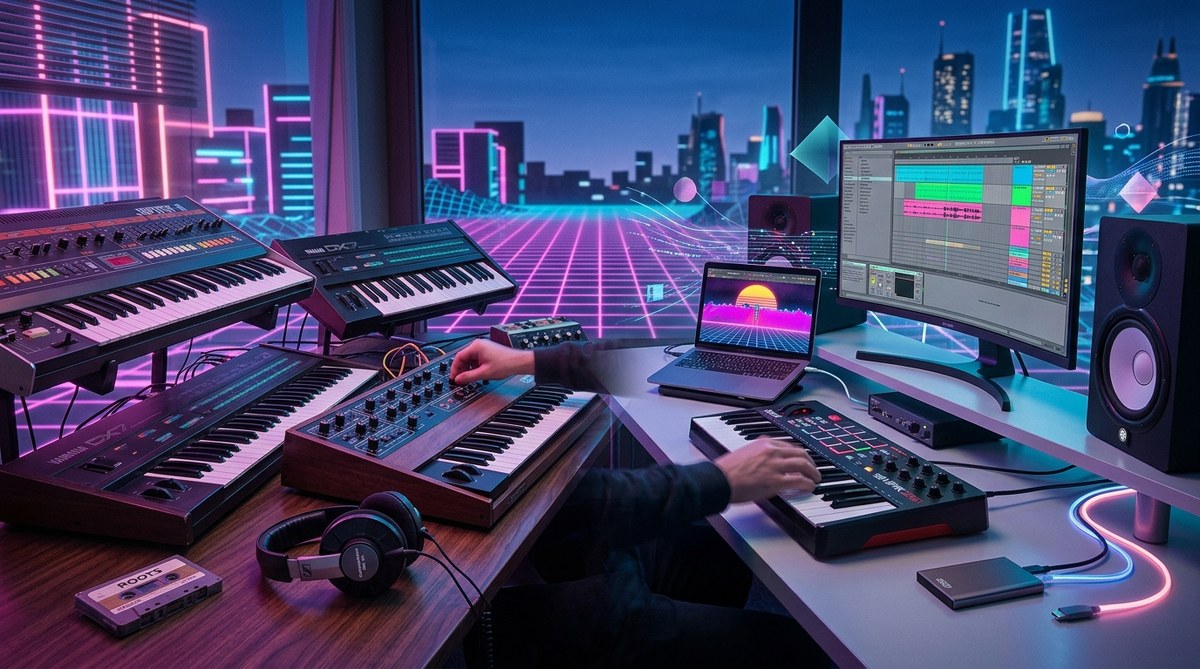
- Vintage synthesizers like the Roland Juno-106 and Yamaha DX7
- Drum machines such as the Roland TR-808 and TR-909
- Modern digital plugins emulating classic sounds
- Sequencers and MIDI controllers for precise arrangements
The artists shaping synthwave’s evolution
Notable pioneers include Kavinsky, known for his track “Nightcall,” and Carpenter Brut, blending metal and synthwave. Newer artists like GUNSHIP and The Midnight continue to push the genre forward. These creators often incorporate elements from other styles, such as metal, pop, and ambient, broadening synthwave’s sonic palette.
Techniques and mistakes in producing authentic synthwave
| Techniques | Common Mistakes |
|---|---|
| Using vintage synth plugins for warmth | Overusing reverb, leading to muddy mixes |
| Layering basslines with arpeggios | Ignoring dynamic range in mixing |
| Incorporating sci-fi sound effects | Relying solely on presets |
| Emphasizing rhythmic drum patterns | Neglecting melody variation |
“The magic of synthwave lies in balancing nostalgic sounds with modern production techniques,” says producer Alex Monroe. “Don’t just copy the 80s, interpret it through your unique lens.”
The future of synthwave and where it’s headed
As technology advances, so does synthwave. The genre’s future involves blending its retro roots with emerging trends like AI-generated music, virtual reality experiences, and immersive live shows. Artists are experimenting with hybrid sounds by incorporating genres like trap, house, and even orchestral elements.
Emerging trends shaping the genre
- Integration with virtual reality: Virtual concerts and immersive environments heighten the visual aspect of synthwave.
- Cross-genre collaborations: Merging synthwave with styles like indie, metal, and pop broadens appeal.
- Use of AI and machine learning: Tools that help craft unique sounds and automate production processes.
- DIY and community-driven projects: The internet remains vital for discovering new artists and sharing ideas.
Practical steps to create your own synthwave tracks
- Start with classic synths and drum machines: Use plugins or hardware to capture authentic sounds.
- Focus on melody and atmosphere: Craft soaring melodies layered over lush pads.
- Incorporate sci-fi and retro visuals: Create artwork or videos that match your music’s vibe.
- Experiment with new tools: Explore AI plugins or VR platforms for innovative experiences.
- Engage with the community: Share your work on platforms like Reddit or Discord to get feedback and grow.
Common pitfalls to avoid
- Overloading tracks with effects that obscure clarity
- Relying too heavily on presets without customizing sounds
- Ignoring the importance of dynamic range and mix balance
How to stay true to synthwave’s essence while innovating
Maintaining the nostalgic feel is crucial. Use vintage synth sounds, but don’t shy away from blending in fresh elements. Pay attention to production quality and visual presentation. The genre thrives on the interplay between sound and imagery, so aligning your music with compelling visuals enhances its impact.
Final thoughts for aspiring synthwave artists
Creating authentic synthwave involves understanding its history and embracing innovation. Listen to classics, study production techniques, and develop your unique style. Whether you’re making tracks for personal enjoyment or aiming for commercial success, keeping the genre’s spirit alive ensures your music resonates.
Embracing the neon future of synthwave
Synthwave continues to grow, driven by passionate artists and dedicated fans. Its roots in 1980s culture give it a timeless appeal, while new technological tools open endless possibilities. By respecting its origins and experimenting with modern trends, you contribute to the ongoing evolution of this captivating genre.
Remember, every great synthwave piece begins with understanding where it all started. Use that knowledge as your foundation, and let your creativity guide you toward the future. Whether you’re remixing vintage sounds or inventing new ones, synthwave offers a vibrant playground for musical expression.
“The genre is a reflection of both nostalgia and innovation. It’s about honoring the past while forging new paths,” suggests synthwave pioneer Perturbator. Keep this balance in mind as you craft your sound.
Get inspired, keep experimenting, and enjoy creating music that lights up the night with neon glow and futuristic dreams.
About the Author
