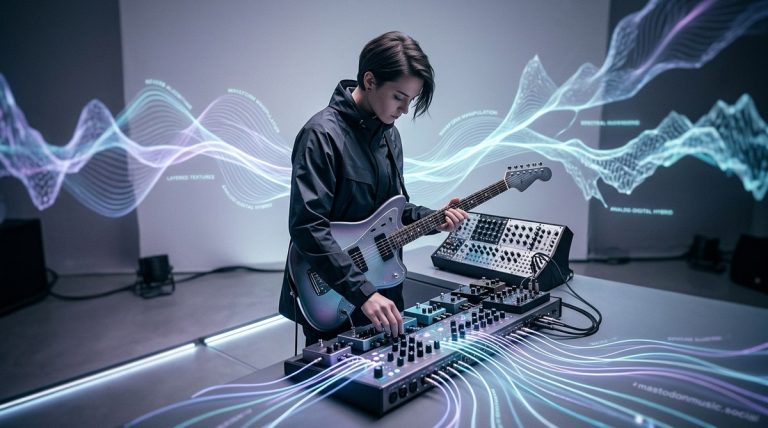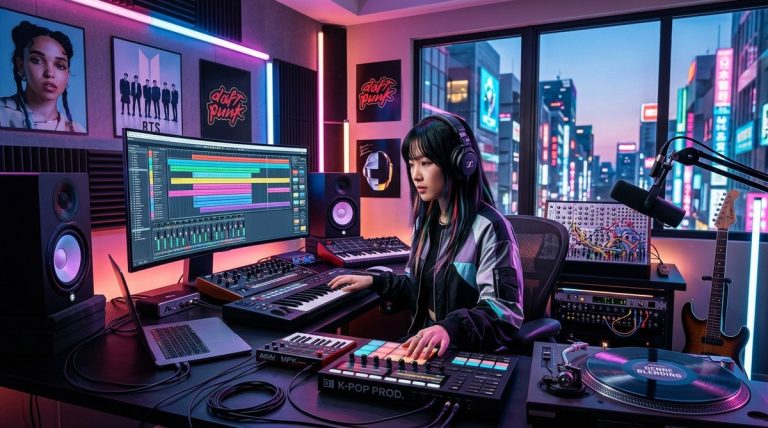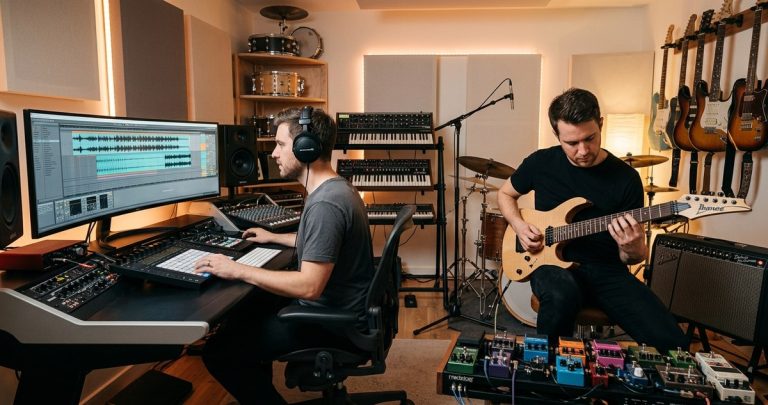
Spotting the next big sound before it fills every playlist is like catching a wave before the swell. In 2026, genre boundaries are blurring faster than ever. A kid in a Chicago bedroom might combine folk guitar with hyperpop glitches, and six months later that hybrid could be on every festival lineup. But how do you separate the fleeting fad from the genuine shift? The trick is not about reading crystal balls. It is about learning the signals that always precede a genre breakout. Whether you are an A&R looking for the next signing, a producer wanting to stay ahead, or a fan who loves being first, the method is the same. You train your ear to listen where others are not listening.
To identify upcoming music genres, ignore mainstream charts and watch three things: small regional scenes on social platforms, genre fusion experiments on SoundCloud and Bandcamp, and early playlist inclusion on Spotify. The most reliable indicator is a rapid increase in cross-genre collaboration. Blend that with hardware or software innovation, and you have a recipe for a breakout.
Why Chasing Genres Early Matters
The music industry runs on freshness. Labels, festivals, and playlist curators are desperate for the next new thing before it becomes old. If you can spot a genre six months ahead of the curve, you gain serious advantage. You can invest in gear that fits the sound, produce tracks that feel cutting edge, or build a brand around a scene before it saturates. In 2026, with algorithms pushing everything toward homogeneity, the people who find the cracks win.
Five Steps to Predict the Next Genre
Follow this numbered process. It works whether you are hunting for a revival like trip hop or a completely fresh blend.
-
Tune into hyper local scenes. Every city has a basement, a warehouse, or a Discord server where something weird is brewing. Search for terms like “underground [city name] music 2026” on Reddit or TikTok. Look for repeated sound patterns across different artists in the same city.
-
Monitor genre fusion on streaming platforms. On Spotify, look at the “Fans also like” section of niche artists. When an experimental electronic producer appears next to a folk singer, that cross pollination is a clue. Use the API or third party tools to see which genres are being mixed in playlists labeled “chill” or “experimental.”
-
Watch Bandcamp and SoundCloud for unusual tags. Tags like “digital folk,” “deconstructed club,” or “ambient trap” signal that creators are already naming their own hybrids. A tag that appears on 50+ albums in a month is worth investigating. For deeper insight, check out the evolution patterns in our guide on the revival of trip-hop and how this 90s genre is shaping 2026’s soundscapes.
-
Follow gear innovation. Genres often emerge when new hardware or software becomes affordable. When a certain drum machine or plugin gets adopted by bedroom producers, the sound changes. Our article on top music gear trends every producer should know in 2026 breaks down which tools are enabling new textures.
-
Analyze playlist velocity. When a specific microgenre jumps from 100 to 5000 saves on a user made playlist within two weeks, that is a signal. Use tools like Chartmetric or SoundCharts to track genre tags that show steep upward slope.
Signals to Scan Every Week
Print this list. Check it weekly.
- TikTok sounds tagged with industry insider language (e.g., “hyperfusion,” “sludge pop”)
- Reddit threads in r/musicproduction asking “how do I make this sound?”
- YouTube gear reviews that mention a specific new sound (e.g., “this pedal makes that 2026 shoegaze tone”)
- Playlists on Spotify titled “[City] underground 2026” with growing follower counts
- Social media bios of small producers mentioning hybrid genres (e.g., “indie / jungle / noise”)
Techniques vs. Common Mistakes
Use this table to avoid the traps that most people fall into.
| Technique | Common Mistake |
|---|---|
| Listen to local scenes via Discord and small venues | Trusting only Billboard or Apple Music charts |
| Track genre tags on Bandcamp weekly | Relying on monthly report summaries from Spotify |
| Look for gear trends on Gearspace and YouTube | Only watching major label press releases |
| Follow producers who constantly collaborate across genres | Following single-artist fanbases |
| Check playlist growth for tiny niche playlists | Only watching official editorial playlists |
“The biggest indicator I have seen over 15 years is when a producer from one world starts sampling or remixing a producer from another world. That moment of cross pollination almost always creates a new lane. I called the rise of wave music in 2019 because I saw trap producers remixing ambient artists on SoundCloud.”
Marcus Chen, A&R for independent label Feral Cat Records
How Technology Shapes Genre Birth
Genres do not appear in a vacuum. They are often born from a tool that makes a new sound easy. In 2026, the biggest driver is the combination of AI stem separation and affordable hardware synthesizers. Producers can now take a vocal from a country song and warp it over a drill beat, creating something that feels fresh but familiar. The same thing happened in the 80s with the TR-808 and in the 2010s with laptop production. The gear enables the genre.
To stay ahead, keep an eye on what gear is being used in unexpected ways. Our piece on how modern technology is transforming music styles and production covers the specific plugins and DAW features that are currently breeding ground for new sounds.
Your Yearly Genre Radar Routine
Set a calendar reminder for the first week of each month. Spend one hour going through the steps above. Start with one city you have never listened to before. Search for its local music forum or subreddit. Scroll through 20 tracks on Bandcamp that use the tag “experimental.” Save three that feel like they are doing something you have not heard before. Then compare them. Is there a common tempo? A shared drum pattern? A vocal effect? That commonality is the seed of a genre.
Over time, you will develop an instinct for which seeds will grow and which will wither. And when you find yourself hearing that sound on a major playlist six months later, you will know the work paid off. Start today. Pick a city you have never heard music from. Find their scene. Listen with purpose.
About the Author