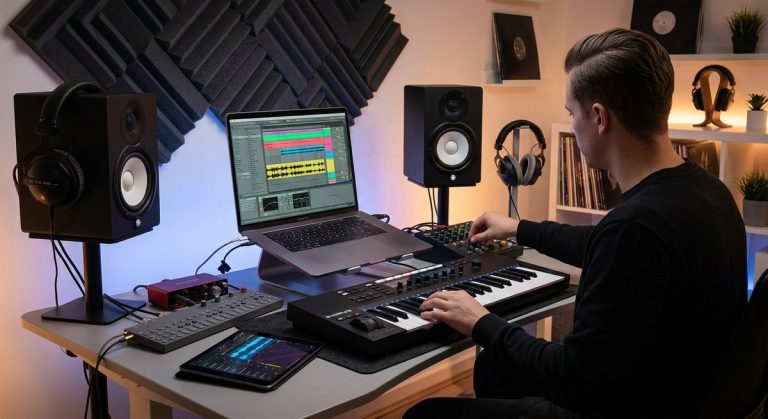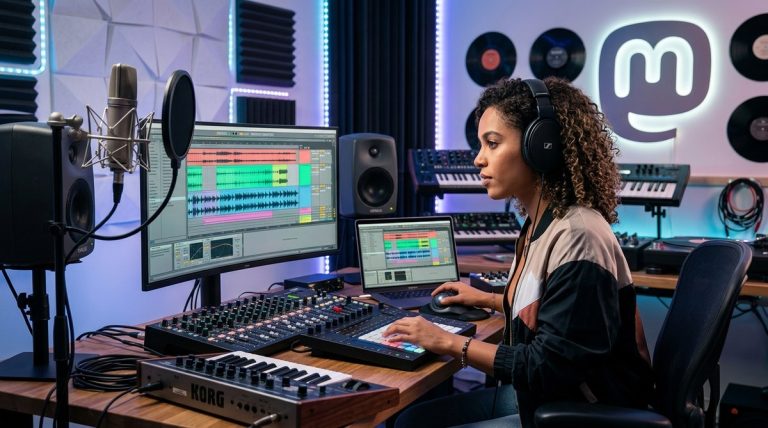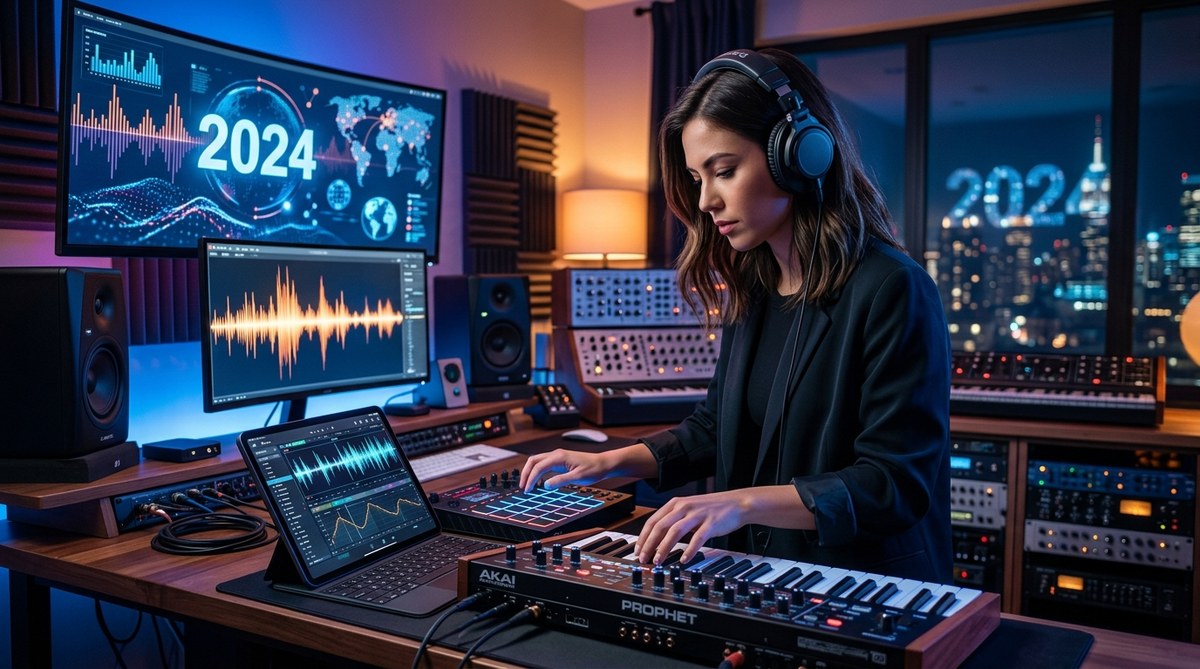
Music in 2024 is shifting faster than ever. New technologies, fresh artistic visions, and changing listener habits are driving a wave of innovation. Whether you are a passionate music fan, a professional in the industry, or a researcher tracking the latest shifts, understanding these emerging trends helps you stay ahead of the curve. As artists and companies experiment with new formats and tools, the soundscape of tomorrow is taking shape today.
In 2024, the music industry is marked by genre fluidity, technological innovation, and a focus on personalized experiences. These shifts empower artists and listeners alike, creating a more dynamic and inclusive musical landscape than ever before.
How technology continues to reshape music creation and consumption
One of the most significant trends in 2024 is how technology is transforming the ways music is made and enjoyed. From AI-assisted composition to immersive audio formats, the digital realm is opening up new possibilities.
The rise of AI in music
Artificial intelligence is no longer just a tool for tech geeks. Today, AI helps artists generate melodies, refine mixes, and even craft entire songs. Platforms like AI-driven music generators are becoming mainstream, allowing creators to experiment with sounds without needing extensive technical skills. AI also enables personalized playlists that adapt in real time, offering listeners tailored musical journeys based on mood, activity, and preferences.
Emergence of spatial and 3D audio
Spatial sound and 3D audio are gaining popularity, especially in live streams and virtual reality experiences. These formats create a sense of depth and movement that immerses listeners in a sonic environment. Companies are investing heavily in spatial audio tech to enhance concert experiences, making virtual shows feel more authentic.
Practical process for artists
To leverage these innovations, artists can follow these steps:
- Experiment with AI tools: Try platforms like Soundraw or Amper Music to generate ideas and streamline production.
- Incorporate spatial sound: Use compatible headphones and software to produce or experience 3D audio content.
- Stay updated on tech trends: Follow industry blogs and attend virtual conferences to learn about new tools and techniques.
Techniques and common mistakes
| Techniques | Mistakes to Avoid |
|---|---|
| Integrating AI for inspiration | Over-relying on AI at the expense of personal creativity |
| Using spatial audio for immersive releases | Ignoring mastering for different formats |
| Staying current with new tools | Neglecting listener preferences and feedback |
“Artists who embrace AI and spatial audio are redefining what it means to create and experience music. The key is to experiment and let technology complement your unique voice.” — music tech expert
Changing listener habits and the personalization boom
The way audiences connect with music is evolving rapidly. Streaming platforms now offer hyper-personalized content, driven by sophisticated algorithms and data analytics. Listeners expect tailored experiences that match their mood, activity, or even time of day.
How playlist curation becomes more intuitive
Algorithms are smarter and more nuanced. They analyze listening history, social media activity, and even biometric data to suggest tracks. Some platforms are experimenting with AI-curated playlists that adapt dynamically, shifting as your preferences change.
The impact of social and community-driven music
Listeners are seeking more than just songs. They want to feel part of a community. Platforms like TikTok and Discord enable fans to connect directly with artists, participate in challenges, and co-create content. This engagement fosters loyalty and creates viral moments.
Practical steps for industry professionals
- Utilize data analytics: Use insights to tailor marketing campaigns and release strategies.
- Engage with communities: Build authentic connections through social media and live events.
- Create interactive content: Incorporate features like polls, challenges, and behind-the-scenes access.
Common pitfalls to avoid
- Relying solely on automation for curation, which can feel impersonal.
- Ignoring the importance of genuine community engagement.
- Overlooking the diversity of audience preferences.
Genre blending and the rise of hybrid sounds
Genre boundaries are dissolving. Artists in 2024 are mixing styles more freely than ever before, creating hybrid genres that appeal to broader audiences. This fluidity fosters innovation and keeps the musical landscape fresh.
Notable hybrid genres emerging in 2024
- Psychedelic trap combines trap beats with surreal soundscapes.
- Global bass fuses traditional rhythms from Africa, Latin America, and Asia with electronic dance music.
- Post-genre fusion defies categorization, mixing elements from jazz, rock, folk, and pop.
How producers approach genre blending
Producers are experimenting with diverse influences, often using digital tools to seamlessly combine sounds. They prioritize authentic expression over genre constraints, resulting in innovative tracks that resonate widely.
Practical tips for artists
- Draw inspiration from multiple cultures: Incorporate traditional instruments or scales.
- Use digital effects to morph sounds and create unique textures.
- Collaborate across genres to expand creative horizons.
Techniques table
| Technique | Common mistake |
|---|---|
| Combining diverse influences thoughtfully | Overloading tracks with too many styles |
| Using digital effects creatively | Relying on clichés or stereotypes |
| Collaborating across genres | Losing your unique voice in the process |
Sustainability and ethics in the music industry
In 2024, sustainability is gaining importance. Artists and labels are seeking eco-friendly ways to produce and distribute music. Ethical concerns around AI and data privacy also dominate conversations.
Eco-conscious practices
Artists are adopting green touring practices, using sustainable merchandise, and opting for eco-friendly packaging. Digital distribution reduces waste and carbon footprint when done conscientiously.
Ethical use of AI and data
Transparency about AI usage builds trust. Artists and companies are establishing guidelines to ensure AI-generated content respects copyright and originality.
Practical advice
- Opt for eco-friendly production options.
- Be transparent about AI involvement in your music.
- Respect copyright laws and give proper credit.
Mistakes to avoid
- Ignoring sustainability for convenience.
- Using AI content without proper attribution.
- Overlooking audience concerns about data privacy.
Final thoughts: shaping the soundscape of tomorrow
2024 is a year of dynamic change in the music industry. Embracing new technologies, fostering genuine connections, and blending genres will open fresh pathways for creativity and growth. Staying curious and adaptable ensures you can thrive in this evolving scene. Whether you’re making music or simply enjoying it, these trends are reshaping how we experience sound.
Remember, the future of music is in your hands. Experiment, collaborate, and keep your ear to the ground. By doing so, you’ll be part of the next chapter in musical innovation.
Stay open to new ideas and keep pushing boundaries. The sounds of tomorrow are waiting to be discovered today.
About the Author