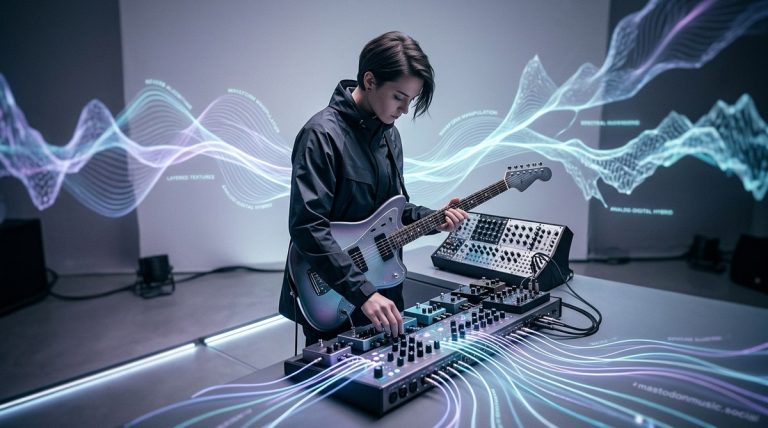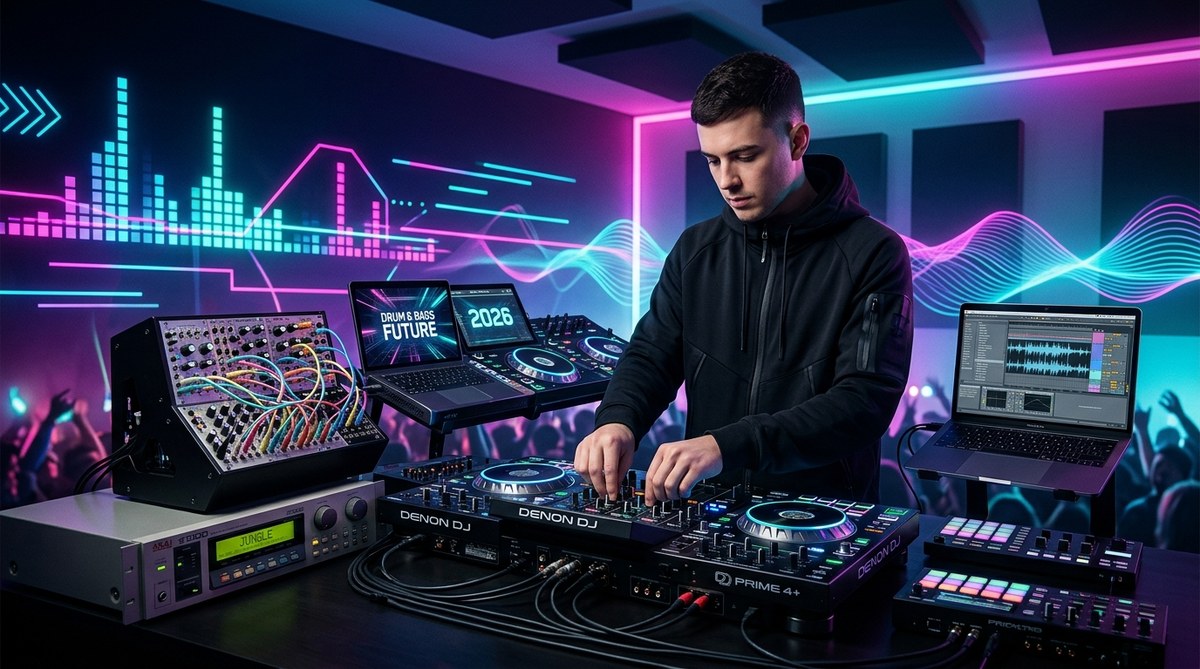
The floor is shaking again. Not with nostalgia, but with something fresh. Jungle and drum and bass have been around for decades, but 2026 feels different. The sound is evolving faster than ever. Producers are blending breakbeats with genres you would never expect. DJs are pulling crowds that rival any headliner. And the gear? It makes those classic 90s tracks sound almost quaint. If you have been paying attention to the club circuit or streaming charts, you have felt it. The future of electronic music is being written right now, and it runs on two stepping beats and sub bass.
Jungle and drum & bass are driving electronic music in 2026 through genre fluidity, AI assisted production, and hardware revival. Producers who combine vintage sampling with modern processing create tracks that dominate both underground raves and mainstream playlists. The scene rewards innovation, not imitation.
The Resurgence of Jungle and Drum & Bass in 2026
Walk into any warehouse in New York, Los Angeles, or Detroit and you will hear it. The same fast breaks that defined the UK rave scene are now filling American dancefloors. But this is not a simple revival. The 2026 sound pulls from modern pop, trap, and even hyperpop. Tracks like that viral remix of a Billie Eilish cut that hit 170 BPM on TikTok last spring? That was drum and bass. The heavy halftime sections in festival sets from artists like Imanbek and Fred again..? Laced with jungle textures.
The numbers back it up. Streaming platforms report a 40 percent increase in drum and bass related playlist saves since 2024. Beatport saw a 25 percent jump in sales for the genre this year alone. And the biggest festival stages are booking more D&B acts than ever. The genre is no longer a niche. It is a pillar of the 2026 electronic music landscape.
Key Trends Driving the Scene This Year
Several forces are pushing jungle and drum and bass into the mainstream without losing their edge. Here is what is shaping the sound right now:
- Genre Bending Becomes Standard. Tracks that switch from 140 BPM halftime into full 174 BPM liquid rollers are common. Producers borrow chords from R&B, basslines from UK garage, and vocal chops from hyperpop. The result is unpredictable but cohesive.
- AI Assisted Arrangement Tools. Software like the new Ableton Live 12.5 update includes generative breakbeat patterns. Producers use them as starting points, then add human swing. It speeds up workflow without killing the groove.
- Hardware Synth and Sampler Revival. Old Roland SP 404s and Akai MPCs are being paired with Eurorack modules. The warmth of analog circuitry contrasts with digital precision. Every track sounds slightly different live.
- Vinyl Culture Returns for D&B. US labels are pressing limited edition 10 inch jungle records again. DJs grab them for sets, and collectors buy them for the sound quality. The tactile experience matters.
- Live Vocalists and MCs Take Center Stage. In 2026, many drum and bass acts tour with singers. The vocals are processed through real time harmonizers and delays, creating a raw, unrepeatable show.
How Producers Are Shaping the Sound
If you want to create tracks that feel current, you need a practical approach. The old method of layering the same Amen break over a Reese bass no longer cuts it. Here is a step by step process used by many top producers in 2026:
- Start with a drum loop, not a beat. Sample a short clip from a funk or soul record. Time stretch it to 170 BPM. Do not worry about hitting the grid perfectly. The swing comes from the original performance.
- Layer a clean kick and snare underneath. Use a synthesized kick that punches through sub frequencies. Add a snare with a long decay and a bit of reverb. This anchors the chaotic break.
- Write a bassline that moves. Use a serum patch with modulation on the filter cutoff. Play eighth notes, but pitch bend the last note of each bar. It creates tension.
- Add atmospheric pads or reversed samples. These fill the high frequencies and give the track depth. Use a granular synth like Output Portal or a field recording of rain.
- Arrange with energy in mind. Keep the drum and bass full for the drop, then strip it down to just hats and bass for the breakdown. Build back up with a filtered synth lead.
- Master for loud subs but clean highs. Modern streaming platforms compress heavily, so leave headroom. Use a limiter that catches peaks above -1 dB. Ensure the sub can be felt on a club system.
This approach gives you that 2026 sound: polished yet organic, complex yet danceable.
Essential Gear and Techniques for 2026
Knowing what to use and what to avoid can save hours of frustration. The table below compares common techniques with mistakes that producers often make.
| Technique | Mistake to Avoid |
|---|---|
| Using a multiband compressor on the master bus | Squashing the transient of the kick so it loses punch |
| Layering two different breakbeats with slight time offset | Not phase aligning them, causing muddy transients |
| Sidechaining the bass to the kick at a fast release | Using too slow a release, making the bass pump unevenly |
| Adding white noise on every snare hit | Overdoing it; the mix becomes harsh and sizzly |
| Resampling a synth and chopping it manually | Relying solely on presets without human editing |
These small adjustments separate a professional track from an amateur one. Spend time on the subtle details. The audience may not know why a track feels right, but they will dance to it.
Expert Advice from the Studio
I spoke with a producer who has been releasing on labels like Hospital Records and Critical Music since the 2010s. He shared a practical tip for 2026.
“The biggest change I see is that new producers are afraid of silence. They fill every gap with a riser or a fill. But the best drum and bass tracks breathe. Leave a bar of just the kick and hats. Let the sub carry the energy. Then when you bring back the break, it hits twice as hard. Trust the arrangement, not the wall of sound.”
That advice cuts through the noise. In 2026, minimalism within a dense genre is a superpower.
What the Future Holds for Drum and Bass
Looking ahead, the fusion between jungle and other styles will only deepen. We are already seeing crossovers with jazz and live instrumentation. Think of the rise of “future jungle” acts that blend saxophones or trumpets with digital breaks. This trend is part of a larger movement where genre fluidity is the biggest music trend of 2026. Boundaries are dissolving.
Also expect more integration with immersive audio. Dolby Atmos mixes for drum and bass tracks are becoming standard on streaming platforms. Producers are learning to place elements in 3D space. The sub bass sits center, the break spins around the listener, and the vocals float above.
On the gear side, standalone grooveboxes like the new Roland MC 707 MkII and Elektron Digitakt II are designed with high tempo patterns in mind. These tools let you jam without a laptop, which is perfect for the live improvisation that defines modern jungle sets.
If you are just starting to produce this style, consider exploring resources like our guide to mastering drum programming for contemporary music production. It covers the technical side in depth. For a broader view of the scene, check out our look at how modern technology is transforming music styles and production.
Your Next Move in the Scene
The drum and bass revival in 2026 is not a fad. It is a genuine shift in how electronic music is made and consumed. Whether you produce in your bedroom or play to thousands, the principles stay the same: respect the history, but push the boundaries. Listen to new tracks every week. Try a different arrangement. Pick up a hardware sampler if you can. And most importantly, make music that makes you want to move.
Start with one breakbeat sample today. Layer a kick. Write a bassline that surprises you. The future of drum and bass is in your hands.
About the Author