Plunderphonics has never been just a genre. It is a philosophy of sound that asks a simple, uncomfortable question: who really owns a piece of music? In 2026, that question is more urgent than ever. As artists build entire careers from chopped, stretched, and recontextualized audio, the legal system is scrambling to keep up. The collision between creativity and copyright has reached a tipping point, and plunderphonics sits right at the center of it.
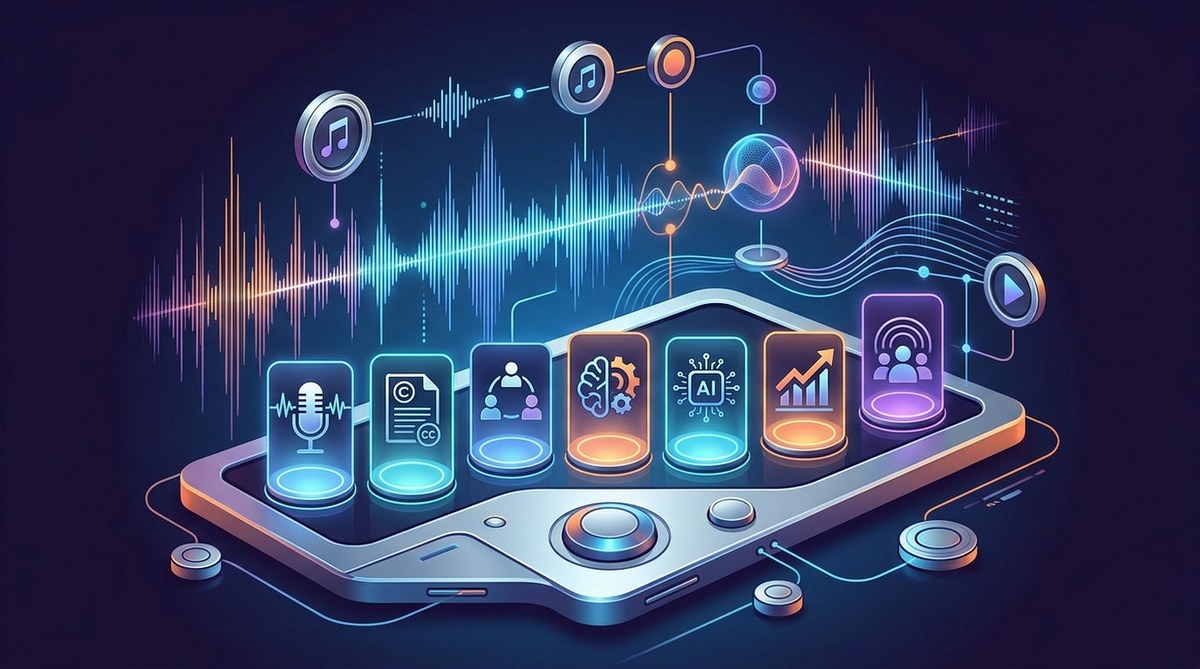
Plunderphonics is forcing a major rethink of copyright law in 2026. By treating existing recordings as raw material, it challenges traditional ideas of authorship and ownership. This article breaks down seven key ways the practice is reshaping legal frameworks, creative workflows, and the future of independent music production in the United States.
What Plunderphonics Actually Means in 2026
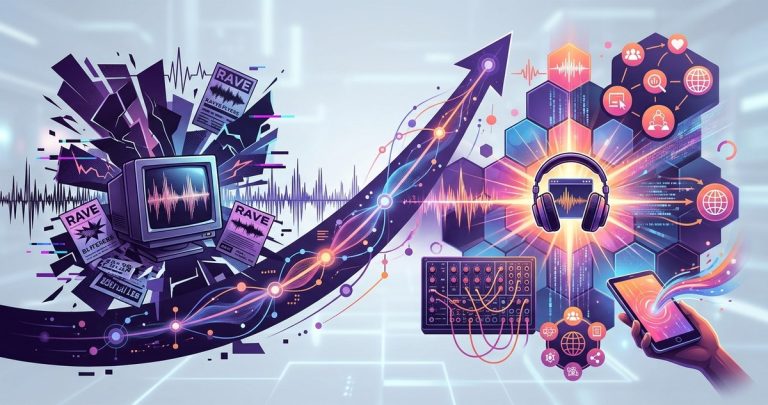
The term was coined in the 1980s by composer John Oswald, but the practice is ancient. Folk music, jazz, and hip-hop all rely on borrowing and reworking existing sounds. What sets plunderphonics apart is its refusal to hide its sources. It is sampling without apology. In 2026, that brazenness has become a political and legal statement.
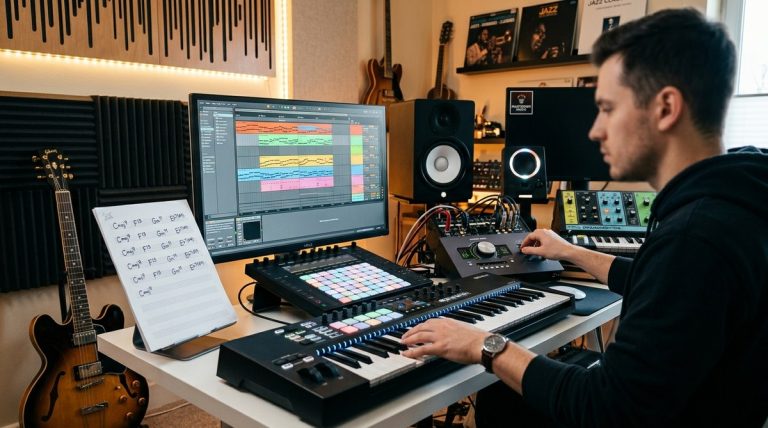
Independent artists now have access to the same tools that major studios used twenty years ago. A laptop with a DAW can rip, reverse, and layer almost any piece of recorded music. The result is a landscape where the line between homage and infringement is thinner than ever.
The Seven Ways Plunderphonics Is Redefining Copyright and Creativity
1. Fair Use Is Being Tested Like Never Before
The legal doctrine of fair use was designed for commentary, criticism, and education. Plunderphonics stretches that definition. When an artist takes a two-second piano chord from a 1970s soul record and loops it into a completely new composition, is that a derivative work or a transformative one?
In 2026, several high-profile cases are making their way through federal courts. Judges are being asked to weigh the amount of the original work used against the degree of transformation. Plunderphonics artists argue that even tiny fragments carry no market substitute value. Record labels argue the opposite. The outcomes of these cases will set precedents for a generation.
2. The Rise of Micro-Sampling and De Minimis Use
A key battleground is the concept of de minimis use. If a sample is so short or so altered that the original is unrecognizable, does it still count as infringement? Plunderphonics producers have become masters of this gray area.
Here is a breakdown of common techniques and their legal risks:
| Technique | Description | Legal Risk in 2026 |
|---|---|---|
| Micro-sampling | Using samples shorter than 0.5 seconds | Low to medium, depends on recognizability |
| Granular synthesis | Breaking audio into tiny grains and rearranging | Low, often considered transformative |
| Time-stretching | Slowing or speeding a sample drastically | Medium, original source may still be identifiable |
| Pitch-shifting | Changing the pitch of a sample beyond recognition | Low, if the melody is lost |
| Direct loop | Using a recognizable bar or phrase unaltered | High, almost certainly requires clearance |
| Collage layering | Mixing dozens of samples into a dense texture | Medium, harder for plaintiffs to prove harm |
3. The Independent Artist’s Dilemma
For unsigned musicians, clearing a single sample can cost thousands of dollars. That is often more than the entire budget for an album. Plunderphonics offers a way around this system, but it comes with risk.
Independent artists in 2026 face a difficult choice. They can either pay for expensive licenses, rely on fair use arguments, or release music that may be taken down from streaming platforms. The most successful plunderphonics artists treat this as a marketing advantage. They build narratives around their sampling choices, turning potential legal battles into talking points.
4. Streaming Platforms Are Becoming Gatekeepers
Spotify, Apple Music, and Tidal use automated content ID systems that scan every upload. These systems are designed to catch clear samples, but they struggle with heavily transformed material. Plunderphonics tracks often slip through or get flagged by mistake.
In 2026, the burden of proof has shifted. If a rights holder files a claim, the platform usually removes the track first and asks questions later. Artists then have to file counter-notices and prove their use is fair. This process can take months. For independent artists with small teams, that is often a death sentence for a release’s momentum.
5. AI Training Data and the New Sampling Frontier
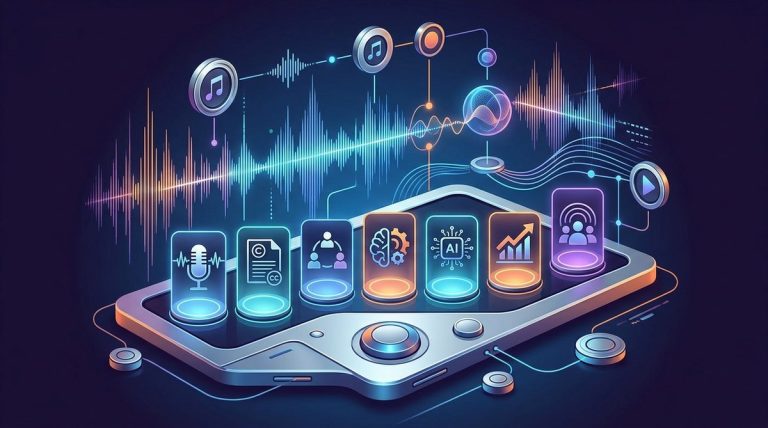
The biggest shift in 2026 is the overlap between plunderphonics and AI music generation. Many of the same legal questions apply. When a machine learning model is trained on thousands of copyrighted songs and then generates a new piece, who owns the output?
Plunderphonics artists are now using AI tools as part of their workflow. They might generate a texture from a model trained on old jazz records and then layer that texture with live instruments. This creates a chain of authorship that current copyright law is not equipped to handle. The U.S. Copyright Office has issued guidance in 2026 stating that AI-generated works without human authorship cannot be copyrighted, but the line between human and machine input is blurrier than ever.
6. The Global Patchwork of Copyright Law
Plunderphonics does not respect national borders, but copyright law does. A track that is legal in the United States under fair use might be illegal in the United Kingdom or Japan.
For international artists, this creates a compliance nightmare. In 2026, the most practical approach is to release music with a clear statement of intent. Some artists include liner notes explaining each sample and why they believe it is transformative. This does not guarantee legal safety, but it builds goodwill with fans and can discourage frivolous lawsuits.
7. A New Model for Creative Collaboration
Plunderphonics is also changing how artists work together. Instead of traditional co-writing, musicians are sharing raw audio files and sample packs. They are building libraries of sounds that anyone can use, remix, and transform.
This collaborative model is closer to how open-source software works than how the traditional music industry operates. Some collectives in 2026 have adopted Creative Commons licenses that explicitly allow commercial sampling as long as the original artist is credited. These experiments are small now, but they point toward a future where copyright is less about control and more about attribution.
Practical Steps for Artists Navigating Plunderphonics and Copyright
If you are an independent producer working with samples in 2026, here is a practical process to follow:
- Document every sample you use. Keep a spreadsheet with the source track, the timestamp, and how you transformed it.
- Research the copyright status of the original recording. Public domain works are the safest bet.
- Transform the sample significantly. Pitch shifting, time stretching, and reverb can change the character enough to strengthen a fair use argument.
- Release your music through a distributor that offers Content ID registration. This gives you a record of your upload date.
- Consult a music attorney if you plan to release commercially. A single consultation can save you from a lawsuit.
- Consider using royalty-free sample libraries for any elements that you cannot clear. This reduces your overall legal exposure.
- Engage with the community. Plunderphonics artists often share legal strategies and warnings about aggressive rights holders.
“The law is always a few years behind the art. Plunderphonics is not going away, so the law has to catch up. In the meantime, artists should be smart, transparent, and ready to fight for their work.” — Music attorney and fair use advocate Sarah Kim, speaking at the 2026 Future of Music Forum.
Common Mistakes That Get Artists in Trouble
Even experienced producers make errors. Here are the most frequent ones:
- Assuming a sample is too short to be detected. Content ID systems are getting better at identifying fragments.
- Relying on a “no one will notice” attitude. Viral tracks attract scrutiny.
- Ignoring the difference between the composition copyright and the sound recording copyright. You need permission for both.
- Using samples from songs that are already heavily sampled. Rights holders are more likely to chase those.
Why This Matters for the Future of Music
Plunderphonics is not a niche curiosity. It is a mirror held up to the entire music industry. It shows that creativity has always been built on borrowing, and that the current copyright system was designed for a different era.
In 2026, the conversation is shifting from “is sampling stealing” to “how do we build a system that rewards both original creators and transformative artists.” The answer is not simple, but it is necessary. If you are making music right now, you are part of that conversation whether you like it or not.
The best thing you can do is stay informed. Read the court cases. Talk to other producers. Keep making strange, beautiful, borrowed sounds. The law will eventually catch up, and when it does, it will look different because of the work you are doing today.
About the Author